








What's Happening?
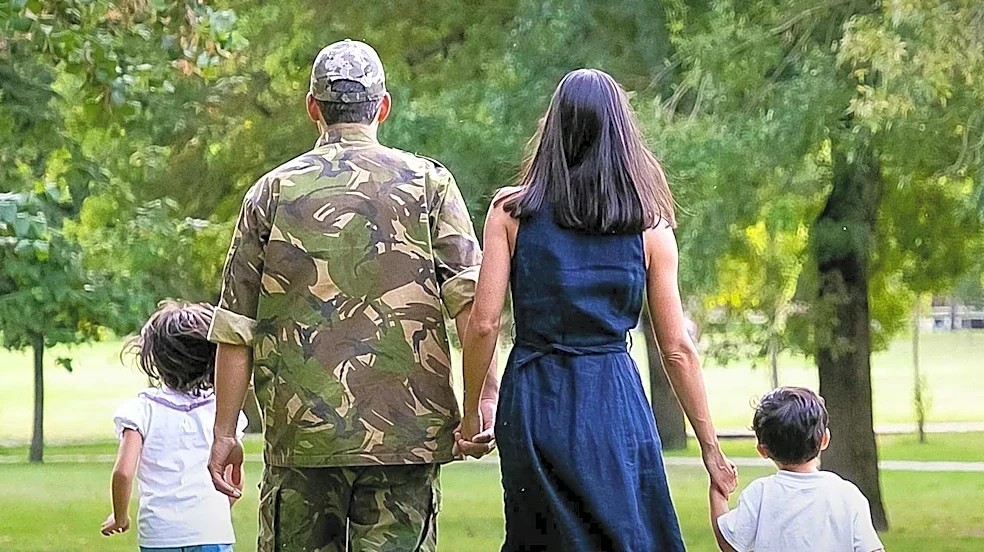
The Department of Veterans Affairs (VA) has become the first federal agency to sign the 4+1 Commitment in 2024, a significant initiative aimed at enhancing the recruitment, hiring, and retention of military spouses. This commitment addresses the unique
employment challenges faced by military spouses, such as frequent relocations due to Permanent Change of Station (PCS) moves. The VA recognizes the valuable contributions military spouses bring, including their education, professional experience, adaptability, and understanding of military life. Through this commitment, the VA is implementing four key support mechanisms: ensuring job transferability and retention for eligible military spouse employees during PCS moves, exempting eligible military spouses from return-to-in-person requirements for approved remote work arrangements, providing access to workplace flexibilities depending on position and mission requirements, and offering up to five days of administrative leave for qualifying PCS relocations. Additionally, the VA's Veteran and Military Spouse Talent Engagement Program (VMSTEP) offers employment resources, federal application education, and connections with VA recruiting and hiring teams to further assist military spouses in their federal career journeys.
Why It's Important?
This initiative by the VA is crucial for several reasons, impacting both military families and the federal workforce. For military spouses, it provides much-needed stability and career continuity, mitigating the professional disruptions often caused by military life. By offering job transferability, remote work options, and administrative leave for PCS moves, the VA helps reduce the financial and emotional burden on military families, fostering greater well-being and readiness among service members. From a broader perspective, this commitment strengthens the federal government's ability to attract and retain a diverse and skilled workforce. Military spouses represent a significant talent pool, and by actively supporting their employment, the VA gains access to individuals with valuable experience and a deep understanding of the military community it serves. This can lead to improved service delivery for veterans and a more resilient federal workforce. The VA's leadership in signing the 4+1 Commitment also sets a precedent for other federal agencies, potentially encouraging a wider adoption of military spouse-friendly employment policies across the government.
What's Next?
Following the VA's adoption of the 4+1 Commitment, the focus will be on the effective implementation and expansion of these support mechanisms. The VA will continue to leverage its Veteran and Military Spouse Talent Engagement Program (VMSTEP) to provide ongoing resources and support to military spouses navigating federal employment. This includes continued outreach, educational programs on federal applications, and facilitating connections with VA hiring teams. Other federal agencies may observe the VA's success and consider adopting similar commitments, potentially leading to a broader government-wide effort to support military spouses. The VA will likely monitor the impact of these policies on military spouse retention and satisfaction, using feedback to refine and improve its programs. Furthermore, the VA's commitment to remote work for eligible military spouses could influence future federal workplace policies, potentially expanding remote opportunities for other employee groups and contributing to a more flexible federal work environment.
Beyond the Headlines
The VA's 4+1 Commitment extends beyond immediate employment benefits, touching upon deeper societal and cultural implications. By actively supporting military spouses, the VA acknowledges and values the often-unseen sacrifices made by military families. This initiative can contribute to a stronger sense of community and support within the military ecosystem, potentially improving overall morale and retention rates for service members. Ethically, it reinforces the principle that the nation has a responsibility to support not only its service members but also their families, who play a critical role in their well-being and readiness. Culturally, it challenges traditional employment models that may not adequately accommodate the unique circumstances of military life, promoting a more inclusive and adaptable approach to workforce management. In the long term, this commitment could foster a more resilient and integrated military community, where spouses feel valued and empowered to pursue their professional aspirations while supporting their service members.