







What's Happening?
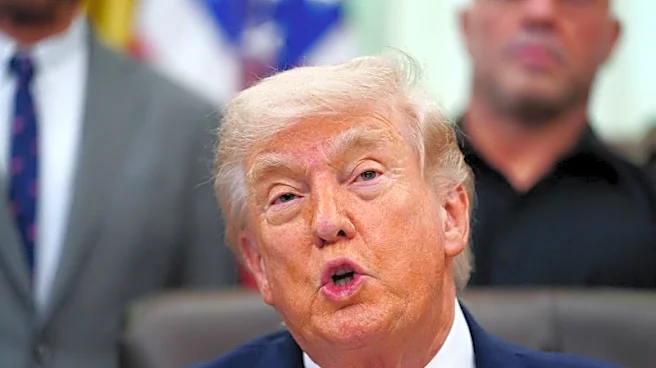
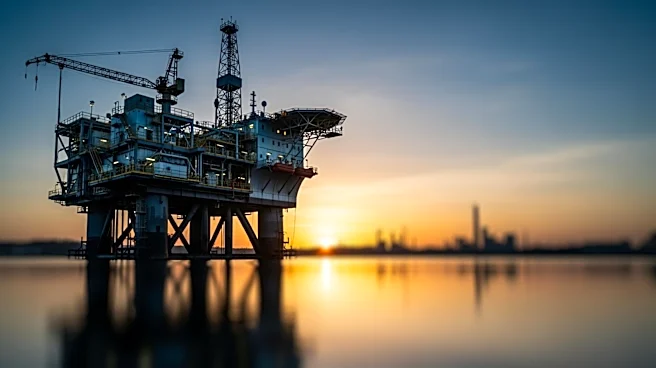
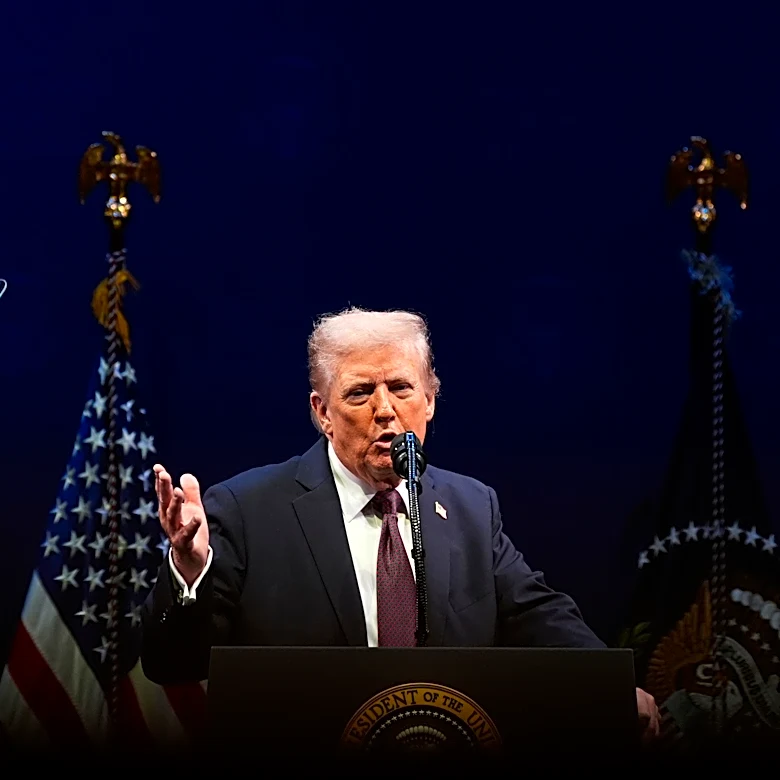
President Donald Trump has issued a series of memos aimed at increasing domestic fossil fuel production, citing national defense readiness as the primary reason. These memos follow a previous executive order from January 2025, which declared a national energy
emergency. The memos call for the expansion of U.S.-based oil, coal, and natural gas production to prevent potential shortfalls that could impair national defense capabilities. Trump has directed the Energy Secretary to take necessary actions to support these projects, invoking the Defense Production Act to expedite the supply of materials and services from the domestic industrial base. This move is part of Trump's broader strategy to bolster the U.S. oil and gas industry, which has been a significant supporter of his campaign.
Why It's Important?
The expansion of fossil fuel production is significant as it underscores the Trump administration's commitment to energy independence and national security. By invoking the Defense Production Act, Trump is prioritizing domestic energy production as a critical component of national defense. This decision could have substantial implications for the U.S. energy sector, potentially leading to increased investment and job creation in the fossil fuel industry. However, it also raises concerns about environmental impacts and the rollback of regulations aimed at reducing carbon emissions. The move comes at a time when global oil markets are volatile due to geopolitical tensions, particularly the conflict involving the U.S. and Iran, which has affected oil prices and supply chains.
What's Next?
The implementation of these memos will likely involve increased federal support for fossil fuel projects, including financial incentives and regulatory adjustments. The Energy Secretary will play a crucial role in executing these directives. The administration may face legal and political challenges from environmental groups and states that oppose the expansion of fossil fuel production. Additionally, the impact on gas prices and the broader economy will be closely monitored, especially as the U.S. navigates its geopolitical conflicts. The administration's actions may also influence future energy policies and the balance between energy independence and environmental sustainability.