



What's Happening?
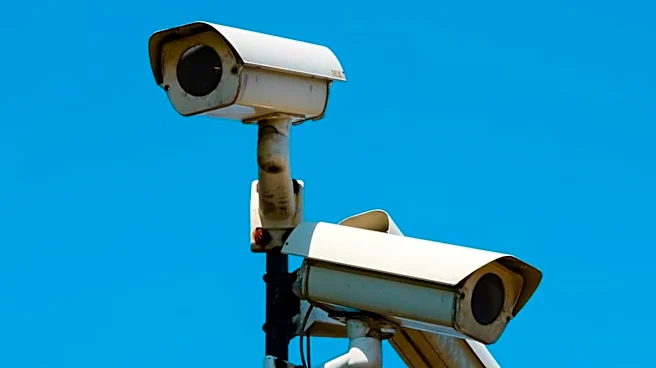
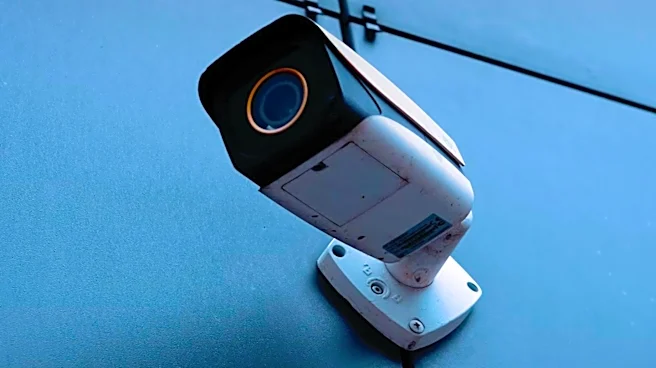
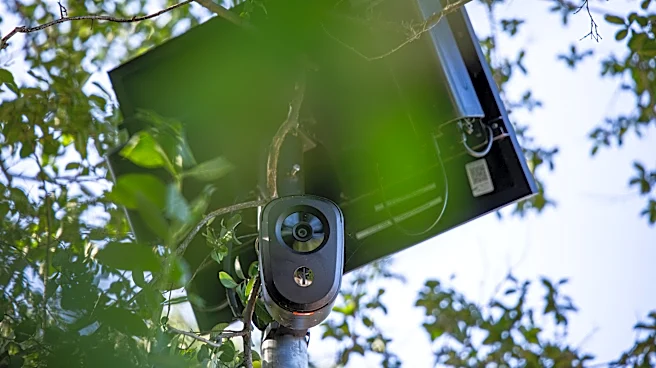
Congressman Eric Burlison (R-MO-07) and Representative Thomas Massie (R-KY) have introduced legislation, H.R. 10221, known as the Flock-Off Act, aimed at prohibiting the use of federal funds for automated license plate readers (ALPRs) and biometric surveillance
cameras. Representative Paul Gosar (R-AZ) is listed as an original co-sponsor of this bill, alongside Representatives Lauren Boebert (R-CO), Ro Khanna (D-CA), Chip Roy (R-TX), and Victoria Spartz (R-IN). The proposed legislation seeks to cut off federal funding for 'Flock-style' surveillance by preventing federal money from being used to purchase, install, maintain, operate, or upgrade these camera systems. It also mandates federal agencies to remove federally funded systems and requires state and local recipients to cease operating them within 180 days to continue receiving relevant federal funding. Furthermore, the bill prohibits federal funds from covering contracts, subscriptions, cloud services, databases, or data-sharing arrangements linked to these covered camera systems, including AI-augmented ALPRs and biometric cameras. Biometric data is defined to encompass facial recognition, voiceprints, iris and retinal scans, fingerprints, and gait recognition. Exceptions are provided for cameras within one mile of the Northern and Southern borders used for detecting unlawful entry, human trafficking, and drug smuggling, as well as ALPRs used solely for toll collection and enforcement.
Why It's Important?
This legislation is significant as it addresses growing concerns about privacy and the expansion of surveillance technology in the United States. Proponents argue that the widespread use of ALPRs and biometric cameras, often funded by federal grants, infringes upon Fourth Amendment rights by enabling a 'surveillance state' that tracks law-abiding citizens. The bill aims to protect individual liberties by limiting the federal government's ability to fund such systems, thereby reducing the potential for mass surveillance. The bipartisan co-sponsorship, including a Democrat like Ro Khanna, highlights a cross-aisle concern regarding government overreach in data collection and privacy. If passed, the Flock-Off Act could significantly alter how law enforcement agencies and municipalities utilize surveillance technology, potentially leading to a reduction in the deployment of these systems and a re-evaluation of privacy policies. It also signals a legislative pushback against the unchecked growth of AI-powered surveillance tools, emphasizing the need for constitutional safeguards in the digital age. The exceptions for border security and toll collection indicate an attempt to balance privacy concerns with specific governmental functions deemed critical.
What's Next?
The Flock-Off Act (H.R. 10221) will proceed through the legislative process, requiring committee review, potential amendments, and votes in both the House of Representatives and the Senate. Given its bipartisan support, the bill may garner significant attention and debate regarding the balance between national security, law enforcement capabilities, and individual privacy rights. Stakeholders, including civil liberties organizations, law enforcement agencies, and technology companies, are likely to engage in lobbying efforts to influence the bill's trajectory. If the bill advances, it could face challenges in reconciling differing views on the necessity and scope of surveillance. Should it become law, federal agencies and state and local governments would need to comply with the new funding restrictions and potentially dismantle existing federally funded surveillance systems. This could lead to a shift in how surveillance technologies are procured and deployed across the country, potentially fostering the development of alternative, privacy-preserving security solutions. The debate surrounding this legislation will also likely influence future policy discussions on emerging surveillance technologies and data privacy.
Beyond the Headlines
The introduction of the Flock-Off Act delves into the deeper societal implications of technological advancement and its intersection with civil liberties. Beyond the immediate impact on surveillance funding, this legislation reflects a growing public and political unease with the pervasive nature of data collection and the potential for its misuse. The bill's focus on biometric data, including facial recognition and gait recognition, highlights the ethical dilemmas posed by AI-powered surveillance, which can identify individuals without their consent and track their movements. This raises fundamental questions about the right to anonymity in public spaces and the potential for such technologies to be used for discriminatory purposes or to suppress dissent. The debate surrounding the Flock-Off Act could also catalyze broader discussions about the regulatory framework for artificial intelligence and its application in law enforcement. It underscores the tension between security imperatives and the preservation of a free and open society, prompting a re-evaluation of what constitutes reasonable search and seizure in an increasingly digitized world. The outcome of this legislative effort could set a precedent for how the U.S. government approaches the regulation of advanced surveillance technologies in the coming years.