




What's Happening?
Green energy is defined as power derived from sources that have a low environmental impact throughout their entire lifecycle, from equipment manufacturing to operation and eventual retirement. While often overlapping with renewable energy, which comes
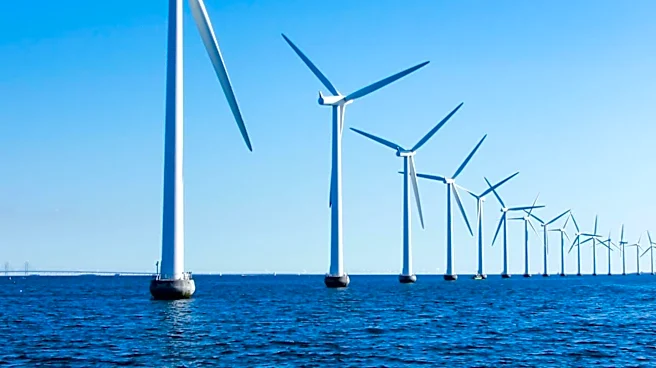
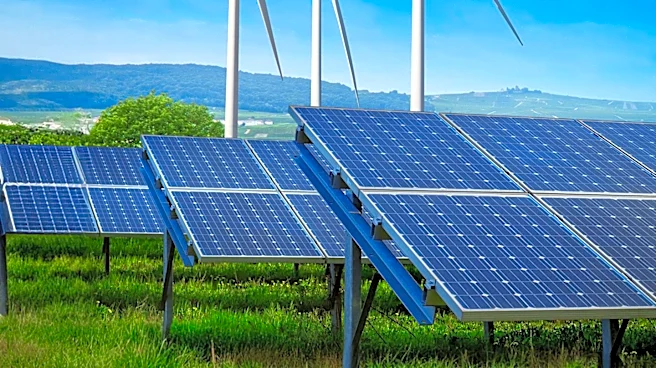
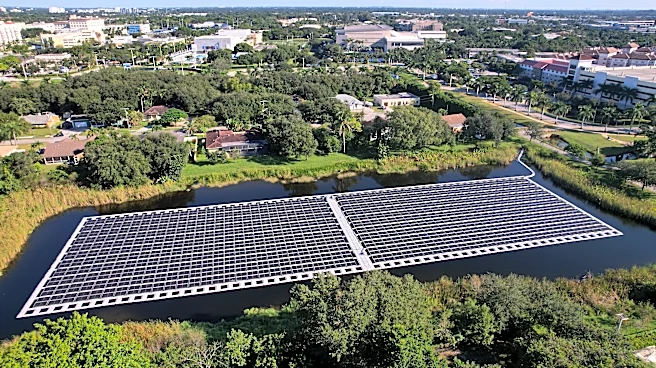
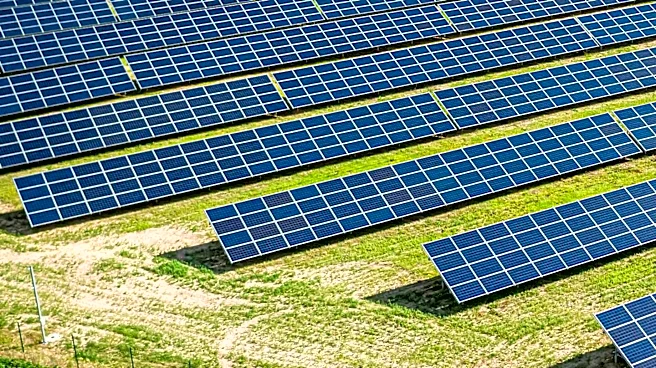
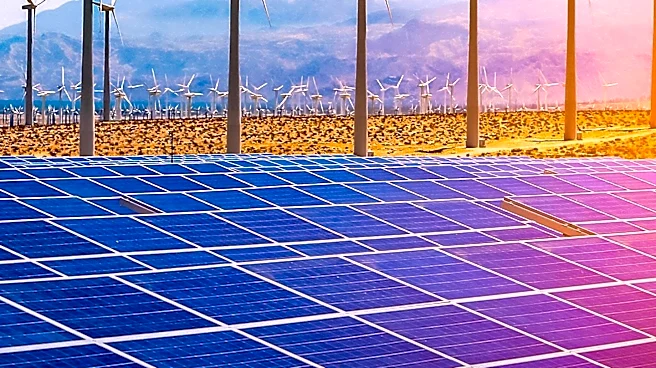
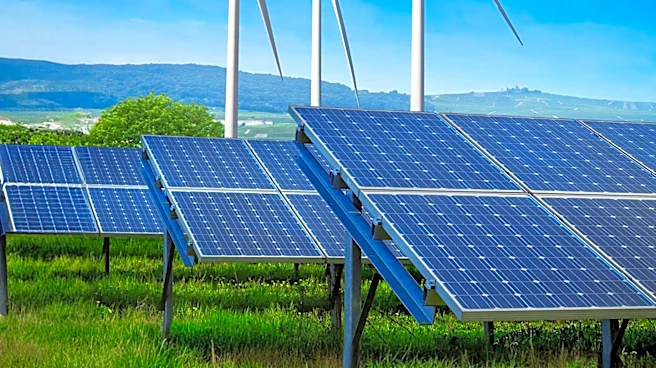
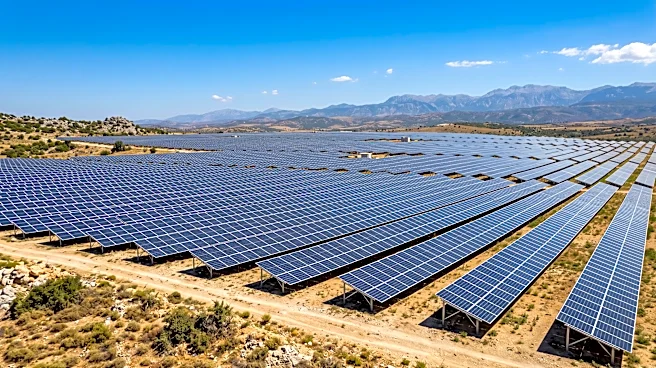
from natural sources that replenish faster than they are consumed (like sunlight and wind), green energy specifically emphasizes minimal ecological harm. For example, a large reservoir hydropower project, though renewable, might not be considered 'green' if it causes significant environmental disruption like flooding land or altering river flows. Similarly, bioenergy, while renewable, can have environmental trade-offs related to land and water use. The main types of green energy include solar power from photovoltaic panels, wind power from turbines, hydropower from moving water, geothermal energy from Earth's heat, bioenergy from organic materials, and green hydrogen produced using renewable electricity. Each of these sources has specific limitations, such as dependence on weather for solar and wind, or geographical constraints for hydropower and geothermal.
Why It's Important?
The distinction between 'green' and 'renewable' energy is crucial for accurate environmental policy-making and public understanding in the U.S. and globally. This clarification helps in evaluating the true ecological footprint of energy sources, moving beyond simple renewability to consider broader environmental impacts. For U.S. industries, this means a more rigorous assessment of energy projects, potentially influencing investment decisions towards truly sustainable options. For consumers, it provides a clearer understanding of what constitutes environmentally friendly energy, guiding purchasing choices and support for specific energy initiatives. The emphasis on low environmental impact encourages innovation in cleaner technologies and more responsible resource management, which can lead to long-term economic benefits through reduced pollution and improved public health. This nuanced definition also helps prevent 'greenwashing' by ensuring that energy solutions are genuinely beneficial to the environment.
What's Next?
The ongoing evolution of green energy definitions will likely lead to more standardized regulations and certifications, both domestically and internationally. This could involve stricter criteria for what qualifies as 'green' in energy production and consumption, impacting how energy projects are funded, developed, and marketed. Research and development will continue to focus on mitigating the environmental drawbacks of existing renewable sources, such as improving the efficiency and reducing the land footprint of solar and wind farms, or developing more sustainable methods for bioenergy production. Policy discussions will increasingly center on balancing energy security with environmental protection, pushing for integrated energy systems that maximize green energy contributions while minimizing ecological harm. The U.S. government and private sector will likely invest further in technologies like green hydrogen, aiming to overcome current limitations and scale up production.
Beyond the Headlines
The precise definition of green energy has profound implications for the global energy transition and climate change mitigation efforts. Beyond the technical aspects, it touches upon ethical considerations regarding resource allocation, environmental justice, and intergenerational equity. A clear and universally accepted definition can foster greater transparency and accountability in the energy sector, ensuring that efforts to combat climate change are genuinely effective and equitable. It also highlights the complex interplay between technological innovation, economic incentives, and environmental stewardship. The ongoing debate over what truly constitutes 'green' energy underscores the need for a holistic approach to sustainability, one that considers not just carbon emissions but also biodiversity, land use, water resources, and social impacts. This deeper understanding is essential for building a resilient and sustainable energy future.