







What's Happening?
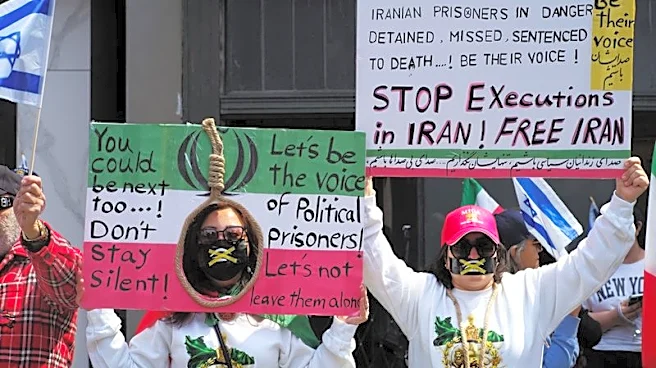
Iran has been experiencing one of the world's longest and strictest internet shutdowns, affecting its 90 million citizens and devastating the country's online economy. The shutdown, which began in January during mass anti-government protests, was intensified
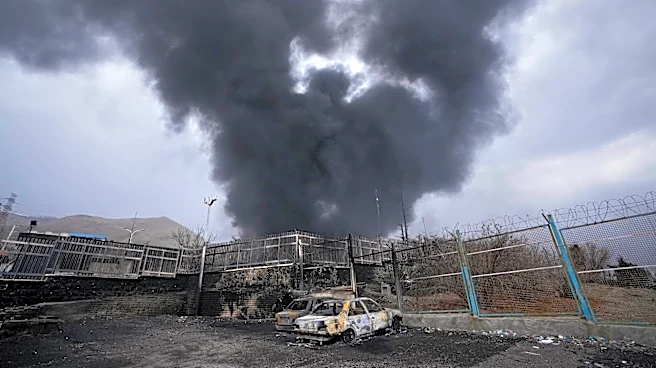
in February as a wartime measure amidst tensions with the U.S. and Israel. This has led to significant economic losses, with estimates of $30-40 million lost daily, and indirect losses potentially double that amount. The shutdown has severely impacted small businesses and individuals who relied on platforms like Instagram and WhatsApp to reach customers and earn income. Many businesses have been forced to close, and job losses are mounting as the digital economy is gutted.
Why It's Important?
The internet shutdown in Iran is a critical issue as it exacerbates the country's already fragile economy, which has been suffering from years of sanctions and mismanagement. The digital economy, which had been a lifeline for many Iranians, is now severely disrupted, leading to increased unemployment and economic hardship. The shutdown not only affects businesses but also the broader society, as it limits access to information and communication. The situation highlights the vulnerability of economies reliant on digital platforms and the potential consequences of government-imposed internet restrictions. The impact is felt across various sectors, including fashion, fitness, advertising, and retail, with many individuals facing financial instability.
What's Next?
The Iranian government faces increasing pressure to alleviate the economic harm caused by the internet shutdown. While some professions and businesses are being granted less-restricted internet access, the majority of the population remains cut off from the global web. The tiered access system has been criticized as an abuse of citizens' needs. As the economic situation worsens, more Iranians are considering emigration, and anti-government protests may continue to rise. The government may need to reconsider its approach to internet access to prevent further economic decline and social unrest.
Beyond the Headlines
The internet shutdown in Iran raises significant ethical and legal questions about the government's control over digital access and the rights of citizens to information and communication. The situation underscores the importance of internet freedom and the potential consequences of its restriction. It also highlights the role of digital platforms in modern economies and the challenges faced when these platforms are disrupted. The long-term implications could include a shift in how businesses operate and a reevaluation of digital strategies in countries with restrictive internet policies.