
What's Happening?
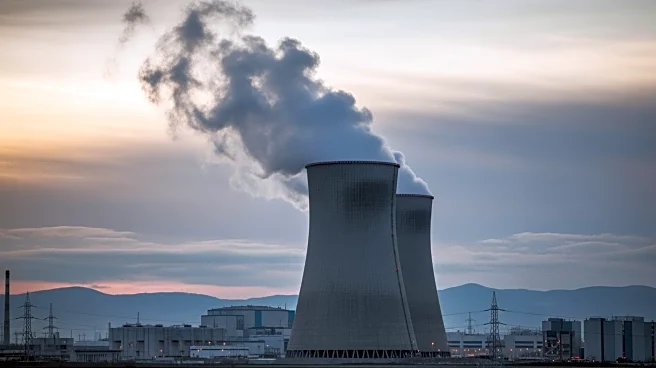
A local government in Japan has voted to restart the Kashiwazaki-Kariwa nuclear power plant, the world's largest, which has been inactive since the 2011 Fukushima disaster. The plant, operated by Tokyo
Electric Power Company (TEPCO), is located in Niigata prefecture and plays a crucial role in supplying power to Tokyo. Despite local opposition, the prefectural assembly's vote of confidence in the governor, who supports the restart, has paved the way for the plant's reactivation. The Japanese government aims to increase the nuclear share of its energy mix to 20% by 2040, viewing the restart as a political statement of confidence in nuclear energy.
Why It's Important?
The decision to restart the Kashiwazaki-Kariwa plant is significant for Japan's energy policy and its commitment to reducing carbon emissions. However, it also raises concerns about safety and public trust, given TEPCO's history with the Fukushima disaster and subsequent safety breaches. The move reflects a broader national strategy to rely more on nuclear power, which some argue could delay the transition to renewable energy sources. The decision has sparked debate about the balance between energy needs, economic considerations, and environmental safety, highlighting the complexities of Japan's energy future.
What's Next?
As Japan moves forward with the plant's restart, it will need to address public concerns about safety and transparency. TEPCO and the government will likely face scrutiny over their ability to manage nuclear facilities safely and prevent future incidents. The decision may also influence Japan's energy policy, potentially affecting international perceptions of nuclear energy. Stakeholders, including environmental groups and local communities, may continue to challenge the restart, advocating for a greater focus on renewable energy alternatives. The outcome of this decision could have long-term implications for Japan's energy strategy and its role in global energy discussions.