
What's Happening?
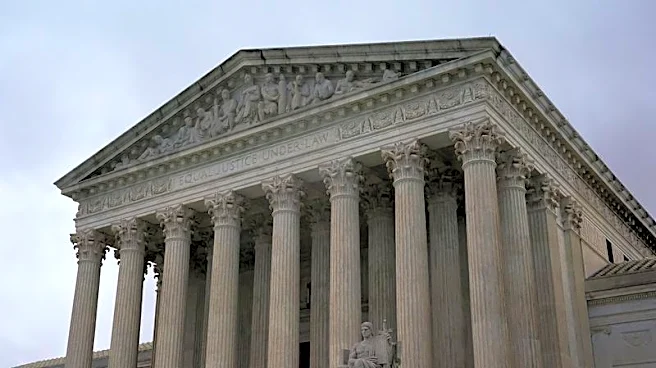
Following a Supreme Court ruling that narrowed the Voting Rights Act, Tennessee and Alabama are taking steps to redraw their congressional maps. Tennessee Governor Bill Lee has called a special session
to potentially split the state's sole Democratic district, while Alabama Governor Kay Ivey is preparing for a special session to address the state's House map. The Supreme Court's decision has provided states with the opportunity to alter their maps, potentially increasing Republican representation. The ruling has sparked a scramble across southern states to adjust their congressional districts, with implications for minority representation.
Why It's Important?
The Supreme Court's decision could significantly impact the political landscape in the U.S., particularly in states with large minority populations. By allowing states to redraw districts without the previous constraints of the Voting Rights Act, the ruling may lead to a decrease in minority representation in Congress. This shift could alter the balance of power in the House of Representatives, potentially giving Republicans an advantage in upcoming elections. The decision also raises concerns about the future of voting rights and the ability of minority groups to elect representatives of their choice. The ruling's implications extend beyond Tennessee and Alabama, affecting other states considering redistricting efforts.
What's Next?
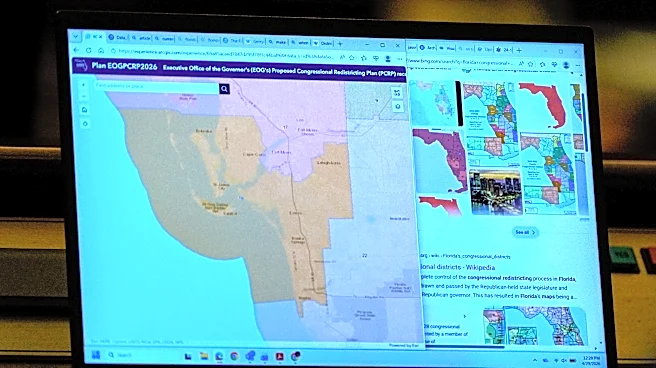
As states move forward with redistricting efforts, legal challenges are expected from civil rights groups and affected parties. The outcome of these battles could shape the political landscape for years to come, influencing not only the 2026 midterm elections but also future electoral cycles. The decision may prompt further scrutiny of the Voting Rights Act and its role in protecting minority representation in the U.S. States like Mississippi and Florida are also considering changes to their electoral maps, with potential implications for future elections.