






What's Happening?
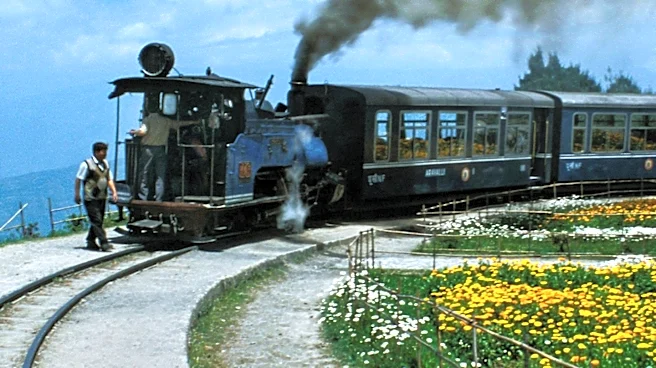
The Ministry of Railways in India is advancing plans to introduce a hydrogen-powered toy train on the Kalka-Shimla railway line, a UNESCO World Heritage site. This initiative is part of the 'Hydrogen for Heritage' program, which aims to deploy hydrogen-powered trains
on select heritage routes to reduce pollution and promote cleaner transportation. Unlike traditional diesel trains, these new trains will utilize fuel-cell technology, generating electricity with water as the primary byproduct. The Union Government initially announced plans in 2023 to operate 35 hydrogen trains under this program, including one specifically for the Kalka-Shimla route. Following this, Himachal Pradesh Chief Minister Sukhvinder Singh Sukhu urged Union Railway Minister Ashwini Vaishnaw to explore the feasibility of hydrogen trains for the historic line. A survey of the route has since been completed, and a site at Barog railway station has been identified for the construction of a hydrogen fuel plant.
Why It's Important?
This development signifies India's growing commitment to hydrogen-powered transportation and its potential impact on environmental sustainability within the tourism sector. The Kalka-Shimla railway, a significant tourist attraction, stands to benefit from reduced emissions, enhancing its appeal as an eco-friendly destination. The 'Hydrogen for Heritage' program could serve as a model for other countries with heritage railway lines looking to modernize their infrastructure while minimizing environmental footprints. For the U.S., this initiative highlights a global trend towards green transportation solutions, potentially influencing future policy decisions and investment in hydrogen technology for similar applications, such as scenic or historic rail lines. The success of this project could also spur innovation and demand for hydrogen fuel cell technology, creating new opportunities for businesses involved in its development and deployment.
What's Next?
The next steps involve the establishment of the hydrogen fuel plant at Barog railway station and the subsequent deployment and testing of the hydrogen-powered toy train on the Kalka-Shimla route. The successful implementation of this project could lead to the expansion of hydrogen train services to other heritage routes across India, as outlined in the 'Hydrogen for Heritage' program. This initiative will likely be closely monitored by international railway authorities and environmental organizations as a case study for sustainable heritage tourism. Future developments may include further technological advancements in hydrogen fuel cell efficiency and infrastructure, potentially making such systems more viable for broader application in the global railway industry.
Beyond the Headlines
The adoption of hydrogen-powered trains on a UNESCO World Heritage site like the Kalka-Shimla railway carries significant symbolic weight, demonstrating a commitment to preserving cultural and natural heritage through sustainable practices. This move could set a precedent for how historical sites globally integrate modern, eco-friendly technologies without compromising their integrity. Beyond the immediate environmental benefits, the project could foster a deeper appreciation for sustainable tourism among visitors and local communities. It also underscores the broader shift in energy policy towards hydrogen as a clean energy source, potentially influencing research and development in related fields, such as hydrogen production, storage, and distribution, on a global scale. The initiative reflects a growing awareness of the need to balance economic development, tourism, and environmental stewardship.