




What's Happening?
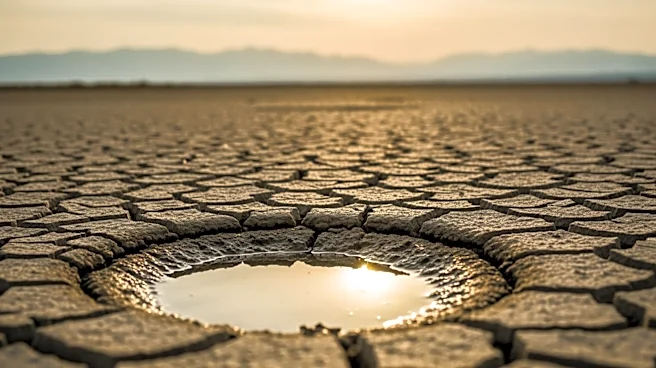
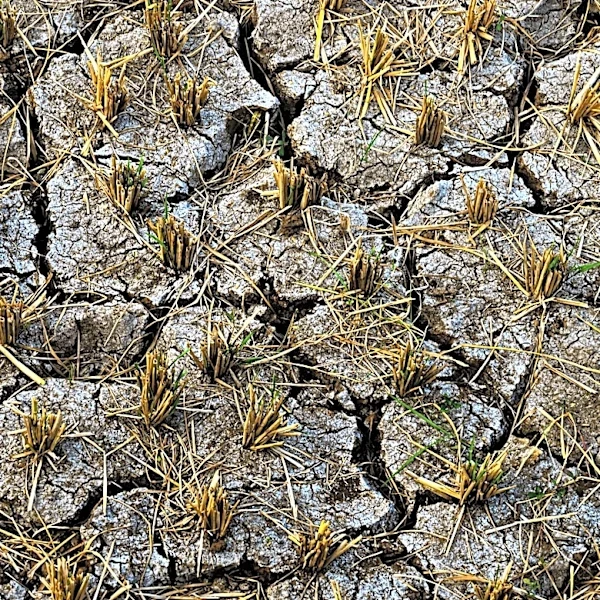
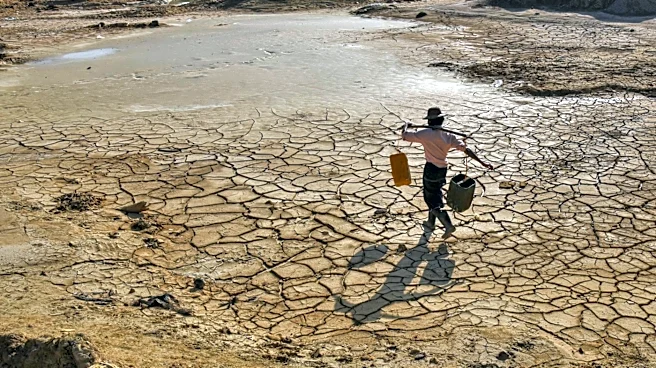
The closure of Arizona's San Carlos Lake following a mass fish die-off has raised concerns about the health of U.S. lakes. The incident, attributed to drought and rapid water releases, resulted in the death of nearly all fish in the lake. Experts warn
that similar events could occur elsewhere due to ongoing drought, warming temperatures, and water management challenges. The Environmental Protection Agency notes that many U.S. lakes are experiencing nutrient pollution and warming waters, conditions that can lead to harmful algal blooms and oxygen depletion.
Why It's Important?
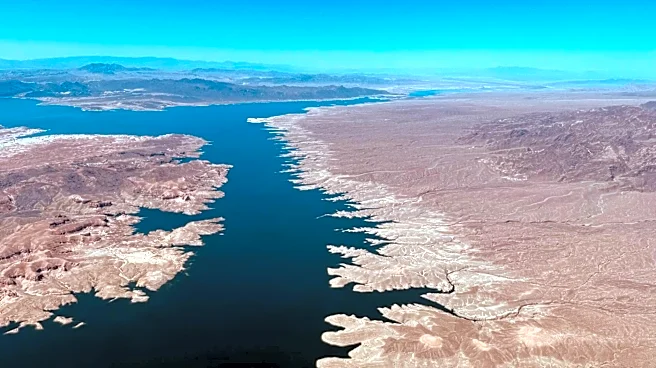
The situation at San Carlos Lake serves as a warning of the broader ecological and water management issues facing the U.S. The health of major water systems like the Colorado River, Lake Mead, and Lake Powell is critical, as they supply water to millions of people. The potential for widespread ecological damage and disruptions to water supply underscores the need for proactive measures to address climate change and improve water management practices.
What's Next?
Efforts to mitigate the risks to U.S. lakes may include enhancing water conservation strategies, improving pollution controls, and investing in infrastructure to manage water resources more effectively. Policymakers and environmental agencies may need to collaborate on long-term solutions to protect aquatic ecosystems and ensure sustainable water supplies. Public awareness and engagement will also be crucial in driving support for necessary interventions.