





What's Happening?
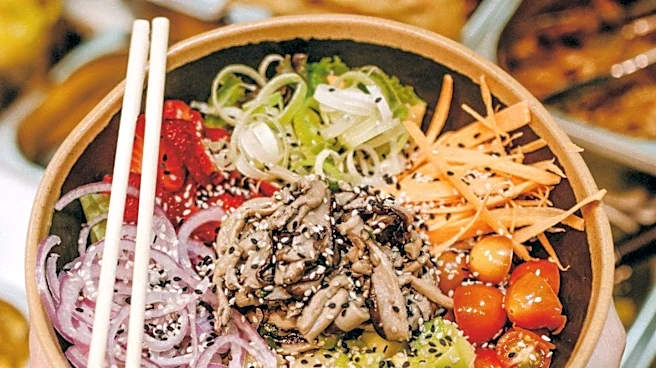
The 31st Conference of the Parties (COP31) to the UN Framework Convention on Climate Change, hosted in Antalya, Turkey, has set a goal for 60% of its catering to be meat-free. Additionally, the conference will feature two fully plant-based cafes on-site
and has invited two local vegan businesses to participate in the food court. This initiative, supported by the Food & Climate Action Group, aims to highlight the connection between global food systems and climate change. The decision follows a UN-backed report indicating that most countries will not meet 2030 food systems goals, particularly regarding greenhouse gas emission reductions. Previous COP summits have shown varying commitments to plant-based options, with COP28 making two-thirds of its menu meat-free, while COP29 in Baku faced criticism for limited and mislabeled vegetarian options. COP31's focus on clearer labeling, including ingredient and nutritional information, is also part of this effort to enable informed choices for delegates.
Why It's Important?
This move by the COP31 Presidency is significant as it directly addresses the substantial environmental impact of animal agriculture, which contributes up to 20% of global emissions. By prioritizing meat-free meals, the conference aims to set an example for climate action within the food sector, influencing international climate policy and potentially encouraging broader adoption of sustainable dietary practices. The initiative underscores a growing recognition within international climate discussions that food systems transformation is crucial for meeting Paris Agreement targets. For the U.S., this could signal future shifts in dietary recommendations, agricultural policies, and food industry practices as global climate goals become more integrated with food consumption patterns. It also highlights the role of international forums in driving changes that can impact domestic policy and consumer behavior, potentially leading to increased demand for plant-based alternatives and a reevaluation of the carbon footprint of food production.
What's Next?
The implementation of the 60% meat-free catering target and the presence of plant-based cafes at COP31 will be closely observed by environmental groups and food system advocates. Success in this endeavor could further solidify the precedent set by previous COPs, particularly COP28, in integrating sustainable food choices into climate discussions. Future COPs may face increased pressure to adopt similar or even more ambitious plant-based catering goals. The focus on clearer labeling at COP31 could also lead to broader calls for improved food transparency regarding environmental impact. For the U.S., this international trend could influence domestic food policy debates, potentially leading to greater emphasis on plant-based diets in public health campaigns and agricultural subsidies. The outcomes and reception of COP31's food initiatives will likely inform future strategies for addressing food system emissions on a global scale.
Beyond the Headlines
The emphasis on plant-based meals at COP31 extends beyond mere dietary choices; it represents a deeper acknowledgment of the ethical and systemic issues embedded within global food production. The decision to reduce meat consumption at such a high-profile international event challenges conventional norms and highlights the interconnectedness of climate change with food security, public health, and land use. This shift could trigger long-term cultural changes, encouraging a re-evaluation of the environmental and ethical costs associated with animal-sourced foods. For the U.S., this could mean increased public discourse on sustainable agriculture, the welfare of farmed animals, and the role of individual dietary choices in mitigating climate change. It also underscores the potential for international conferences to serve as platforms for not only policy negotiation but also for demonstrating tangible, actionable steps towards a more sustainable future, influencing societal values and consumption patterns over time.