





What's Happening?
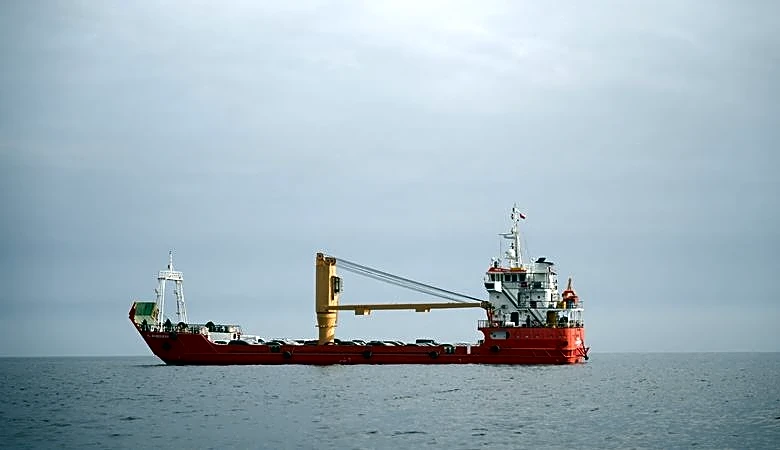
China, alongside Russia, vetoed a UN Security Council resolution addressing the Strait of Hormuz crisis, which began with Iran's closure of the strait in response to U.S. and Israeli attacks. The resolution aimed to deter interference with international
navigation and support merchant vessel escorts. China's veto reflects its concerns over potential unauthorized military operations and the resolution's perceived one-sided condemnation of the U.S. and Israel. The situation highlights China's pragmatic approach to international crises and its efforts to balance diplomatic relations with economic interests.
Why It's Important?
China's veto at the UN underscores its strategic positioning in global diplomacy, particularly in the Middle East. The decision reflects China's cautious approach to international conflicts, prioritizing economic stability and diplomatic relations. As a major global power, China's actions at the UN have significant implications for international peace and security efforts. The situation also highlights the complexities of balancing geopolitical interests with economic dependencies, as China navigates its role in the global arena.
What's Next?
China's continued engagement in the Middle East will be crucial in shaping the region's geopolitical landscape. The country's efforts to mediate and de-escalate tensions will be closely monitored by international stakeholders. As the situation evolves, China's diplomatic strategies and economic policies will play a key role in influencing global stability and security. The outcome of the crisis will also impact China's relations with the U.S. and other major powers, shaping future diplomatic and economic interactions.