






What's Happening?
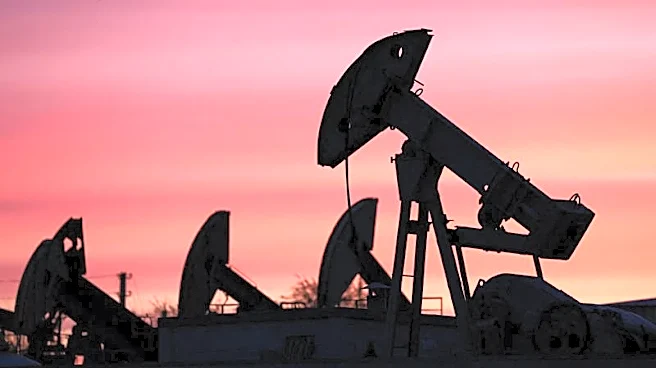
The United Arab Emirates (UAE) is set to leave the Organization of the Petroleum Exporting Countries (OPEC) on May 1, 2026. This decision will remove approximately 1.2 billion barrels of annual crude output from OPEC's coordinated supply system. The UAE,
which produced an average of 3.36 million barrels per day in 2025, accounted for about 12% of the cartel's total output. Analysts warn that the exit of one of OPEC's most consistent quota-compliant producers could weaken the group's ability to manage supply and stabilize prices, potentially leading to greater volatility in global oil markets.
Why It's Important?
The UAE's departure from OPEC is a significant development that could have far-reaching implications for global oil markets. As one of the major producers within the cartel, the UAE's exit may reduce OPEC's influence over oil prices, leading to increased market volatility. This move could also impact countries like Nigeria, which rely heavily on oil revenues. Analysts suggest that the UAE's decision reflects deeper structural tensions within OPEC, as countries with expanded production capacity face pressure to maximize output. The potential weakening of OPEC's cohesion could alter the dynamics of global energy markets, affecting prices and supply stability.
What's Next?
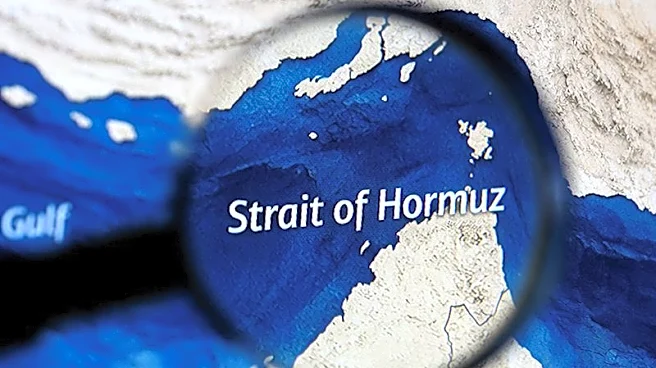
Following the UAE's exit, OPEC may face challenges in maintaining its influence over global oil prices. The group's ability to enforce production quotas and stabilize markets could be compromised, leading to potential shifts in global energy policies. Countries within OPEC may need to reassess their strategies to adapt to the changing landscape. Additionally, geopolitical tensions in the Middle East, particularly around the Strait of Hormuz, could exacerbate concerns about supply disruptions. Stakeholders will be closely monitoring the situation to gauge the impact on oil prices and market stability.