






What's Happening?
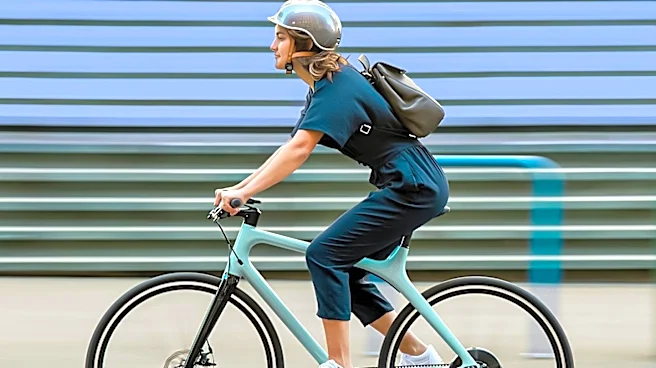
The city of Berkley, Michigan, is considering a ban on e-bikes, scooters, and skateboards from sidewalks and parks, with a proposal scheduled for discussion at an upcoming city council meeting. This move comes as police and medical professionals in Metro
Detroit report a significant increase in crashes and injuries involving e-bikes, which can reach speeds of 20 to 30 miles per hour. Emergency room doctors at DMC have observed a rise in head and upper-extremity injuries due to the higher speeds and frequent lack of helmet use among riders. Other nearby cities, including Dearborn Heights and Grosse Pointe Woods, have already banned e-bikes on city property due to safety concerns, while South Lyon has prohibited them from downtown sidewalks. The proposal in Berkley also suggests an age requirement of at least 14 years for e-bike riders, though lower-speed models might be exempt from age or helmet mandates. A fatal collision involving an e-bike and a road commission truck in Ferndale in June further underscores the growing safety issues.
Why It's Important?
The increasing consideration of e-bike bans and restrictions across Metro Detroit reflects a growing public safety concern that impacts urban planning, transportation policy, and public health. The rapid adoption of e-bikes and similar micro-mobility devices has outpaced regulatory frameworks, leading to a patchwork of local ordinances. This situation creates confusion for riders and challenges for law enforcement in ensuring consistent safety standards. The rise in severe injuries, as reported by medical professionals, places additional strain on healthcare systems and highlights the need for effective safety education and enforcement. For businesses, particularly those in downtown areas, the presence and regulation of e-bikes can affect pedestrian traffic, accessibility, and the overall urban experience. The debate also touches on individual freedoms versus collective safety, as cities grapple with how to integrate new transportation technologies responsibly into existing infrastructure.
What's Next?
Berkley's city council is scheduled to discuss the proposal to ban e-bikes, scooters, and skateboards from sidewalks and parks, and potentially from the downtown area. The outcome of this discussion will determine the specific regulations to be implemented in Berkley. If approved, these new rules would add Berkley to a growing list of Metro Detroit communities that have enacted restrictions on e-bikes. The ongoing trend of cities addressing e-bike safety suggests that more municipalities may follow suit, potentially leading to a more standardized approach to micro-mobility regulation across the region. This could involve further public awareness campaigns about helmet use and safe riding practices, as well as continued monitoring of accident rates and injury statistics to inform future policy decisions. The industry for e-bikes and related devices may also face pressure to incorporate more safety features or collaborate with municipalities on infrastructure solutions.
Beyond the Headlines
The debate over e-bike regulations in Berkley and other cities points to a broader societal challenge of adapting to rapid technological advancements in personal transportation. While e-bikes offer environmental benefits and increased accessibility for many, their integration into existing urban environments, designed primarily for pedestrians and traditional vehicles, presents significant friction. This issue highlights the need for proactive urban planning that anticipates and accommodates new technologies, rather than reacting to safety incidents. Furthermore, the discussion touches on the concept of shared public spaces and how different modes of transportation can coexist safely. The varying regulations across different cities also underscore the fragmented nature of local governance in addressing regional issues, potentially leading to inconsistencies that complicate enforcement and public understanding. Ultimately, finding a balance that promotes sustainable transportation while ensuring public safety will require innovative solutions and collaborative efforts between policymakers, manufacturers, and community members.