


What's Happening?
The Trump administration is being accused of accelerating a politics of fear and intimidation, both domestically and internationally. This includes instances such as President Trump's consideration of bombing Oman and Israeli National Security Minister
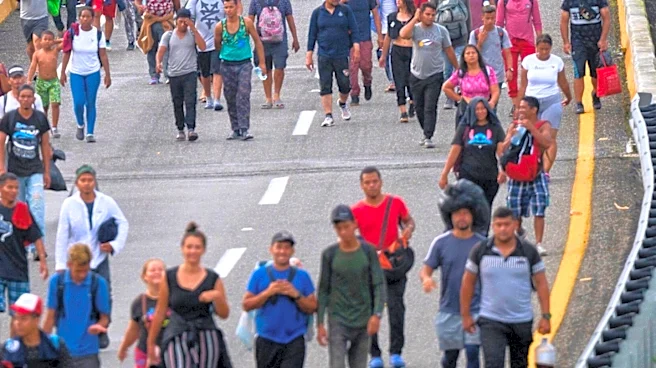
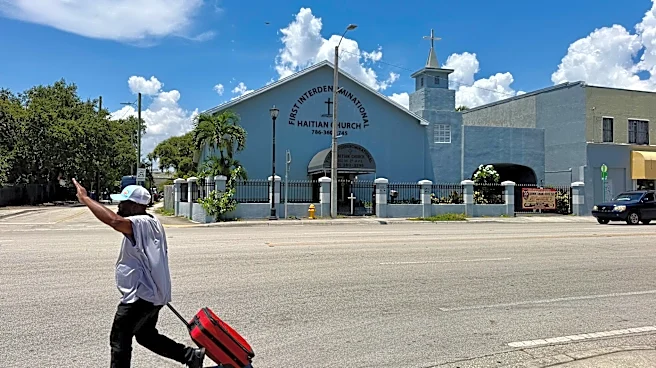
Itamir Ben-Gvir's public advocacy for killing Palestinians in Gaza, which went without protest from the Trump administration. Domestically, the administration's actions in Minneapolis, dubbed 'Operation Puppet Master,' involved the Department of Homeland Security (DHS) creating a spy network to monitor and infiltrate progressive groups, union meetings, church gatherings, and immigrant rights organizations. This operation, reminiscent of COINTELPRO, aimed to gather data for potential conspiracy trials against activists. Additionally, ICE agents reportedly attempted a raid on an immigration law firm in Sacramento, seeking to intimidate immigrant communities and make it easier to track down undocumented individuals.
Why It's Important?
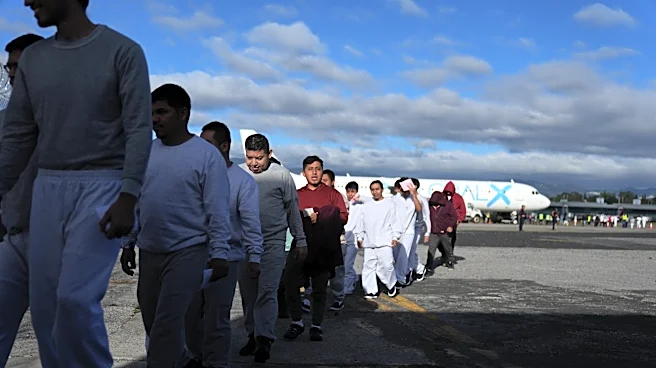
These actions have significant implications for civil liberties and democratic processes in the U.S. The alleged use of federal agencies like DHS to monitor and infiltrate progressive groups raises concerns about government overreach and the suppression of dissent, potentially chilling free speech and assembly. The targeting of immigration law firms and immigrant communities fosters an environment of fear, making it harder for individuals to seek legal assistance and potentially leading to increased deportations. This approach could erode public trust in government institutions and create a more polarized society. For legal and civil rights organizations, it means increased vigilance and a greater need to defend constitutional protections. The broader impact could be a shift towards a more authoritarian style of governance, where perceived political enemies are actively targeted by state apparatuses, affecting the fundamental rights of American citizens and residents.
What's Next?
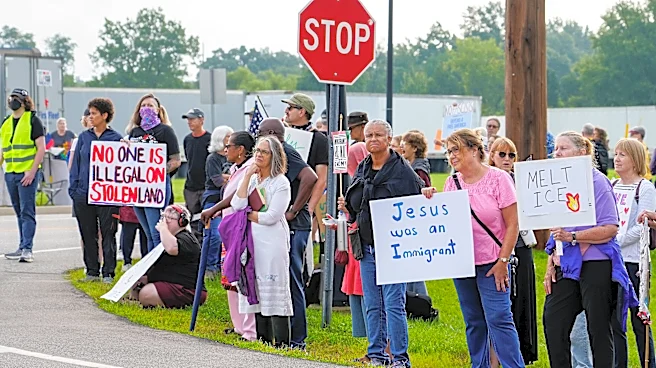
In the immediate future, civil liberties organizations and legal advocacy groups are likely to continue challenging the Trump administration's actions through legal means and public awareness campaigns. There may be increased scrutiny from Congress regarding the activities of DHS and ICE, particularly concerning 'Operation Puppet Master' and the alleged raid on the immigration law firm. Activists and community organizers are expected to continue pushing back against what they perceive as authoritarian tactics, potentially leading to more protests and demonstrations. The ongoing political climate suggests that the debate over government surveillance, immigration enforcement, and the balance between national security and individual freedoms will intensify. The outcomes of these challenges could set precedents for future administrations regarding the use of federal power against domestic groups and the treatment of immigrant communities.
Beyond the Headlines
The events described point to a deeper erosion of democratic norms and institutions within the U.S. The alleged weaponization of federal agencies against political opponents and marginalized communities suggests a systemic shift in how power is exercised. This could lead to a long-term chilling effect on civic engagement and political activism, as individuals and groups may become hesitant to express dissent for fear of government retaliation. The comparison to COINTELPRO highlights a historical precedent for such actions, raising concerns about a return to periods of intense government surveillance and suppression. Ethically, these actions challenge the core principles of justice, fairness, and due process. Culturally, they contribute to a climate of division and distrust, potentially undermining the social fabric of the nation. The implications extend beyond specific policies, touching upon the very definition of American democracy and the rights afforded to its citizens.