






What's Happening?
Valparaiso City Council members Robert Cotton and Barbara Domer held a town hall meeting to address local issues, including the regulation of convenience stores and the city's infrastructure budget. Cotton highlighted the need to upgrade permit requirements
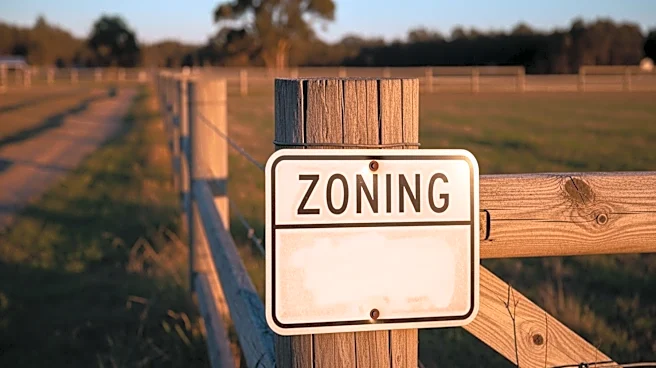
for gas stations, which are increasingly rebranding as convenience stores. He expressed concerns about the environmental impact of these stores, noting that Valparaiso has 33% more gas stations than the national average. Cotton proposed amendments to the city's Unified Development Ordinance to include zoning limitations and incentives for clean energy. Domer focused on the city's infrastructure budget, revealing that the sidewalk budget was doubled for 2026 and that the city will spend $25.7 million on infrastructure from 2024 to 2026. The town hall also addressed questions about the city's water source and its relationship with Valparaiso University.
Why It's Important?
The discussions at the town hall meeting are significant as they address key environmental and infrastructure concerns in Valparaiso. The regulation of convenience stores is crucial for managing the city's groundwater resources, which are vital for its potable water supply. Cotton's proposal to amend the city's ordinance could lead to more sustainable development practices. Domer's focus on infrastructure spending highlights the city's commitment to improving roads and sidewalks, which is essential for community safety and accessibility. The town hall also provided a platform for residents to voice concerns about local governance and resource management, fostering civic engagement and transparency.
What's Next?
Moving forward, the Valparaiso City Council is expected to continue discussions on the proposed amendments to the Unified Development Ordinance. Mayor Jon Costas has agreed to conduct annual reviews of the city's infrastructure budget, ensuring that funds are appropriately allocated for road and sidewalk improvements. The council will also need to address the community's concerns about the city's cooperation with Immigration and Customs Enforcement and the potential use of Lake Michigan water as a resource. These ongoing discussions will likely shape future policy decisions and impact the city's development trajectory.