




What's Happening?
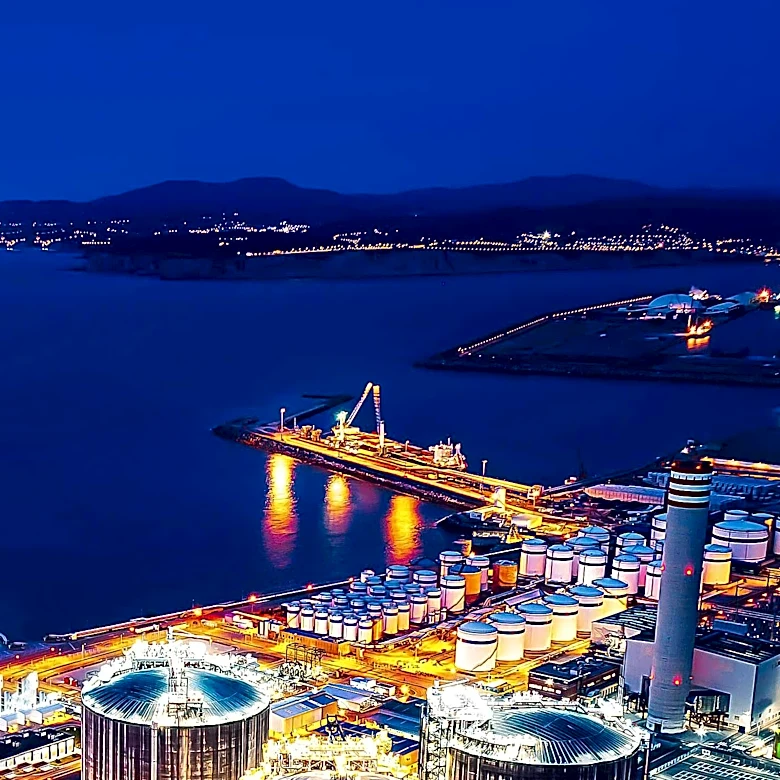
The European Union has significantly increased its import of liquefied natural gas (LNG) from Russia, with Russian natural gas now accounting for 13.4% of the EU's total gas imports in the second quarter. This increase comes as European gas storage levels
have reached a historic low, raising concerns about the upcoming winter season. According to the Center for Research on Energy and Clean Air (CREA), EU countries imported 14% more LNG from Russia in June 2026 compared to the same month the previous year. The revenue from these imports has risen to 60 million euros per day. The situation is exacerbated by the ongoing instability in the global gas market, partly due to geopolitical tensions affecting supply routes.
Why It's Important?
The increased reliance on Russian LNG highlights the EU's vulnerability in energy security, especially as winter approaches. The low gas storage levels pose a significant risk to the EU's ability to meet energy demands during colder months, potentially leading to higher energy prices and economic strain. This dependency on Russian gas also underscores the geopolitical complexities of energy supply, as the EU navigates its energy needs amidst strained relations with Russia. The situation could lead to increased energy costs for consumers and industries, impacting economic stability across the region.
What's Next?
As the EU prepares for winter, efforts to diversify energy sources and increase storage capacity are likely to intensify. The EU may seek to negotiate new energy deals or increase imports from alternative suppliers to mitigate the risk of shortages. Additionally, the situation may prompt further discussions on energy policy and security within the EU, potentially leading to new strategies to reduce dependency on Russian energy. The geopolitical implications of this dependency may also influence EU foreign policy and relations with Russia.