







What's Happening?
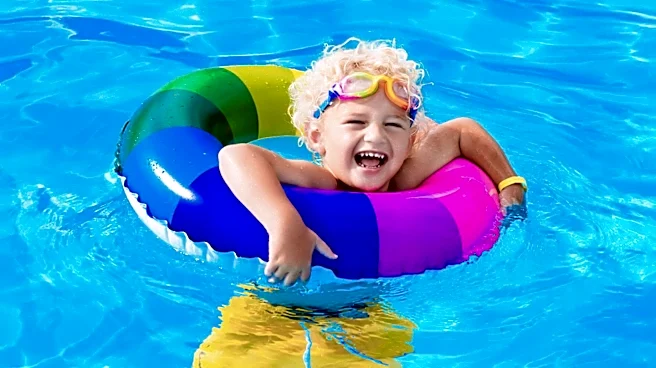
In Florida, a new initiative is being implemented to prevent drowning among children with autism, who are significantly more prone to such incidents. The state is expanding a voucher program that prioritizes children aged 1-7 with autism for subsidized
swim lessons. This program, known as Swim Buddies, is run by the YMCA of South Florida and offers low-cost, individualized swim instruction tailored to children with disabilities. The expansion comes in response to the high drowning rates among autistic children, who are 160 times more likely to drown than their peers, according to a 2017 study by Columbia University. The program aims to provide life-saving skills to these children, addressing both their natural attraction to water and their tendency to wander from safe environments.
Why It's Important?
The expansion of swim lessons for autistic children in Florida is crucial due to the state's high rates of childhood drowning, particularly among those with autism. By prioritizing these children for swim lessons, the program addresses a significant public safety concern and aims to reduce preventable tragedies. The initiative not only provides essential skills to children but also offers financial relief to families who already face high costs for various therapies. This program represents a proactive approach to public health and safety, potentially saving lives and fostering inclusive communities.
What's Next?
As the new law takes effect, healthcare providers across Florida will begin informing parents of newborns about the drowning prevention program. The voucher, valued at approximately $200, will cover up to eight swim lessons. However, the demand for these lessons is expected to exceed supply, highlighting the need for more qualified instructors and facilities. The YMCA of South Florida, already overwhelmed with requests, will need to find additional funding sources to meet the increased demand without compromising the quality of instruction.
Beyond the Headlines
The program's expansion highlights broader issues of accessibility and inclusion for children with disabilities. It underscores the importance of tailored educational approaches that consider the unique needs of autistic children. The initiative also raises questions about resource allocation and the capacity of existing facilities to handle increased demand. As the program grows, it may serve as a model for other states facing similar challenges, promoting a more inclusive approach to public safety and health education.