



What's Happening?
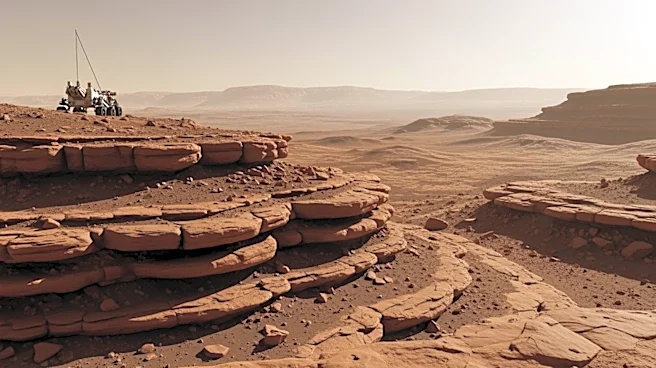
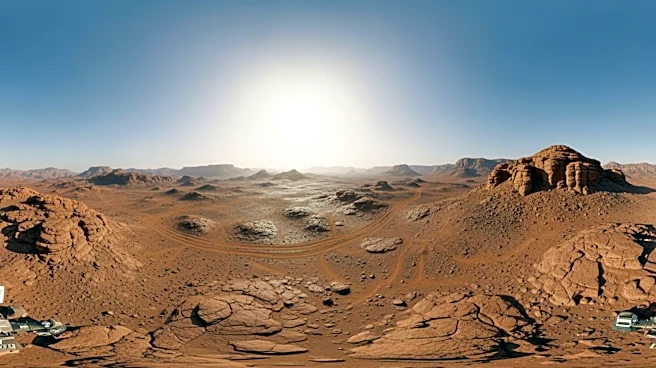
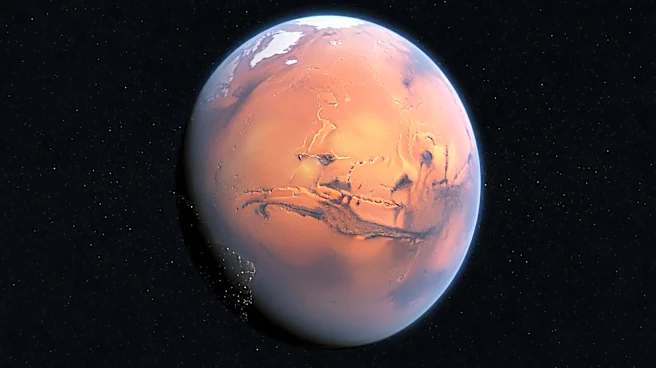
NASA has released new 360° panoramas of Mars, captured by the Curiosity and Perseverance rovers, showcasing the planet's diverse geological history. The images reveal contrasting landscapes shaped by ancient water and subsurface processes. Perseverance's
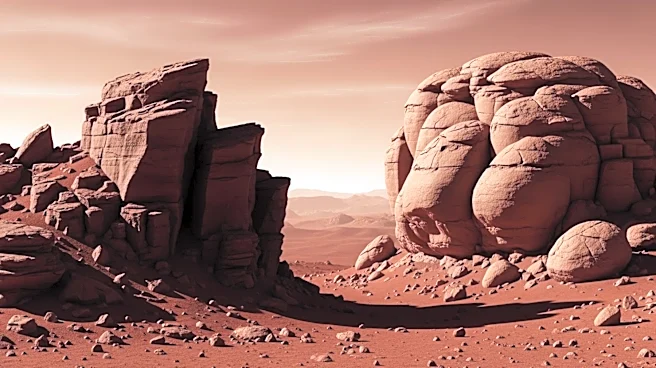
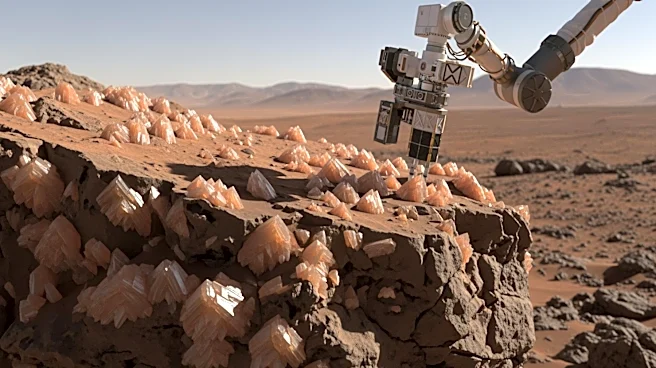
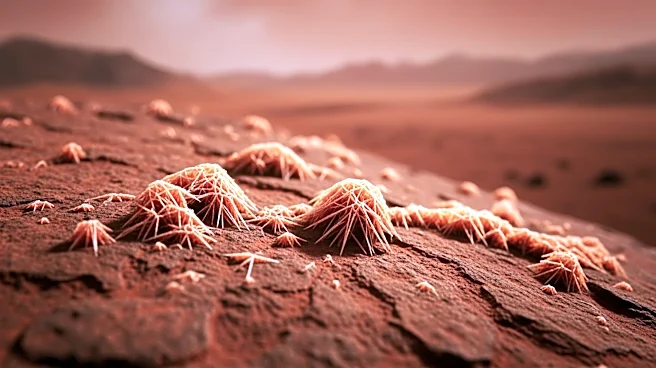
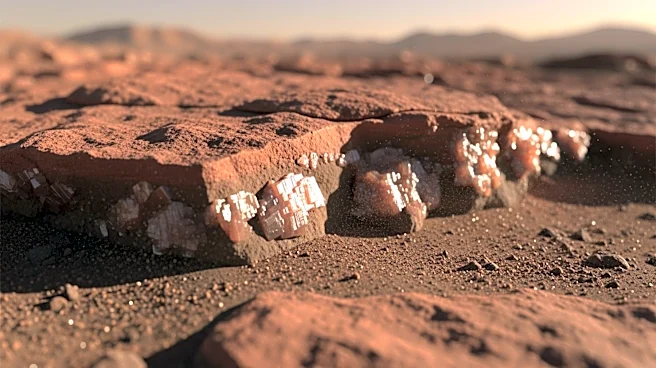
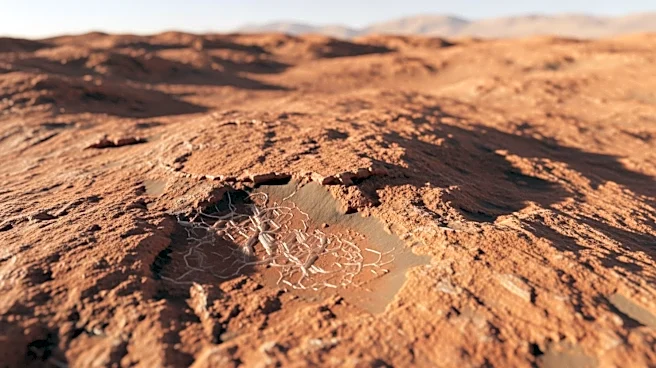
panorama focuses on the 'Lac de Charmes' area near Jezero Crater, highlighting terrain influenced by an ancient lake and river delta. Curiosity's images from Gale Crater show 'boxwork' formations created by groundwater moving through bedrock fractures. These visuals provide valuable insights into Mars' past and its potential to have supported life.
Why It's Important?
The release of these panoramas enhances our understanding of Mars' geological history and its potential habitability. By comparing regions shaped by surface and subsurface water, scientists can reconstruct the planet's environmental conditions over billions of years. This information is crucial for future Mars exploration missions and the search for signs of past life. The data also contributes to our broader understanding of planetary evolution and the conditions necessary for life, informing both scientific research and public interest in space exploration.
What's Next?
As the Curiosity and Perseverance rovers continue their missions, they will explore new areas of Mars, seeking further evidence of past water activity and potential biosignatures. Future missions may build on these findings, using advanced technology to analyze the planet's surface and subsurface in greater detail. The ongoing exploration of Mars will provide critical data for planning human missions to the planet, as well as for understanding the broader context of life in the solar system. NASA's continued efforts will keep the scientific community and the public engaged with the mysteries of Mars.
Beyond the Headlines
The detailed panoramas of Mars highlight the importance of robotic exploration in advancing our knowledge of the solar system. They underscore the role of technology in overcoming the challenges of studying distant planets and the potential for future discoveries. The images also serve as a reminder of the collaborative efforts between scientists, engineers, and space agencies worldwide, working together to unlock the secrets of Mars. This exploration not only advances scientific understanding but also inspires curiosity and wonder about our place in the universe.