



What's Happening?
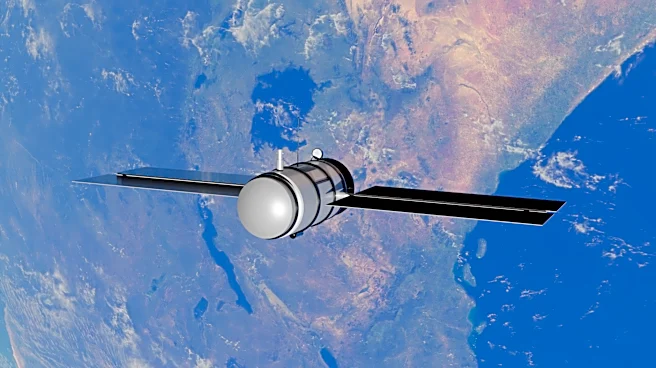
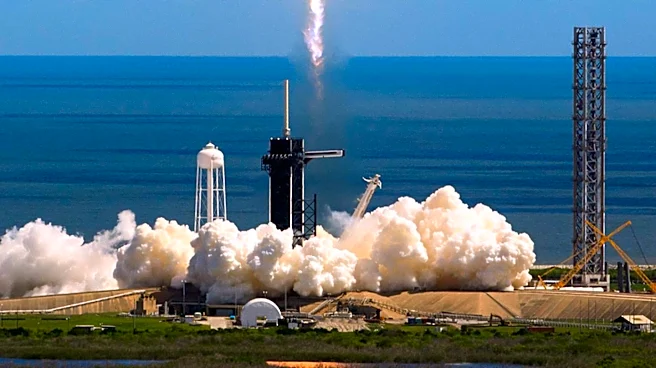
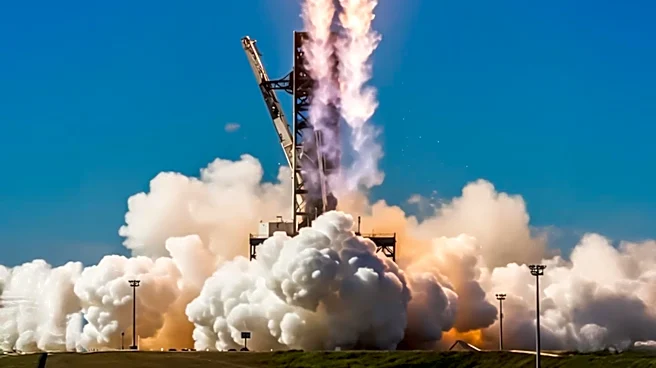
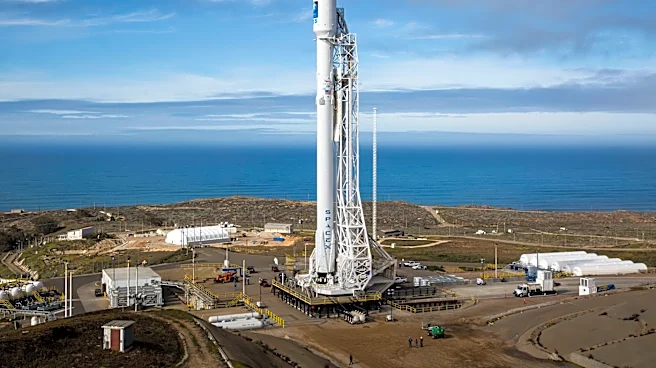
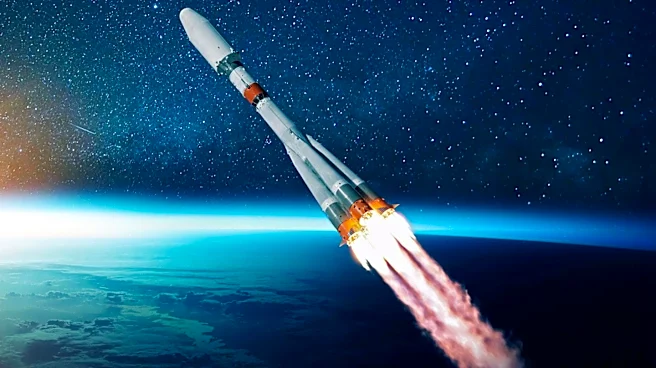
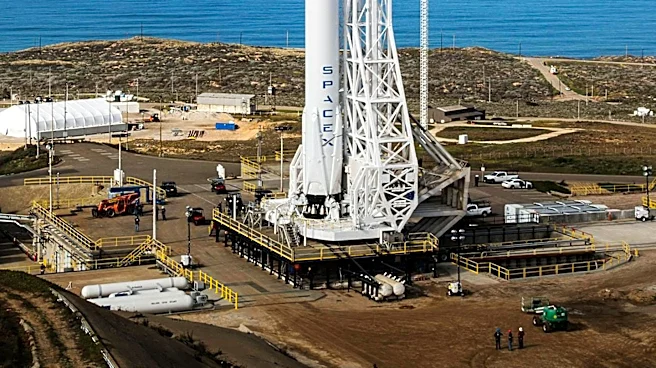
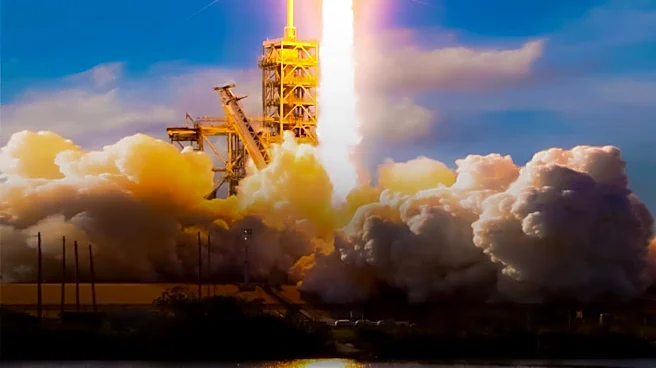
South Korea's next-generation mid-sized satellite, CAS500-4, has successfully made its first contact with a ground station after being launched aboard a SpaceX rocket from Vandenberg Space Force Base in California. The Korea Aerospace Research Institute
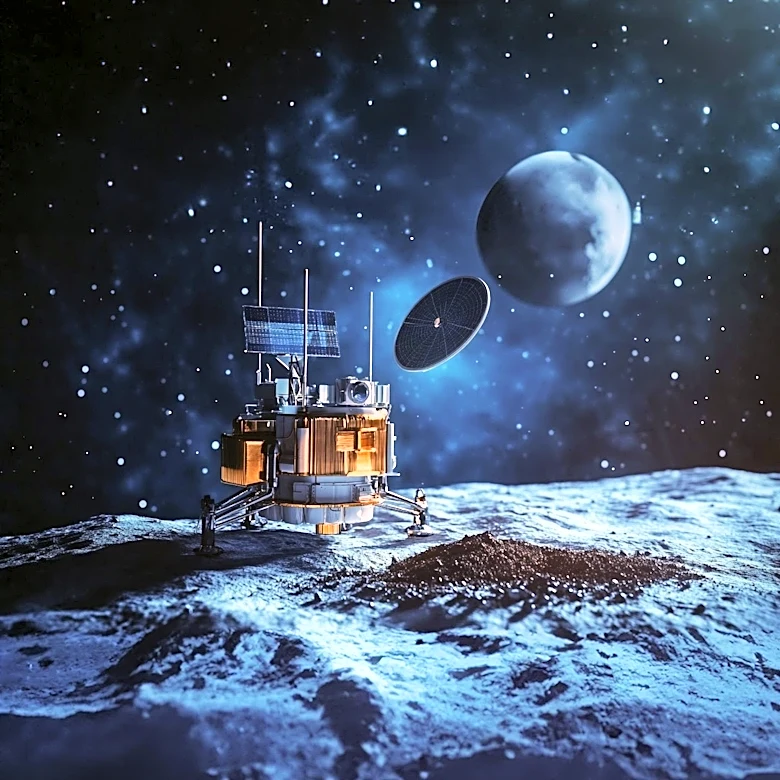
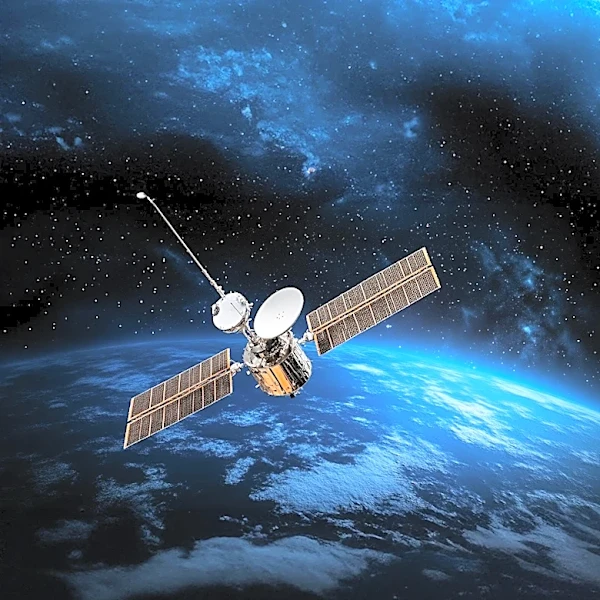
(KARI) confirmed communication with the satellite approximately 6 hours and 38 minutes post-launch. During this initial contact, KARI verified the deployment of the satellite's solar panels and reviewed telemetry data for any abnormalities. The CAS500-4 is designed to specialize in agriculture and forestry, with capabilities to analyze crop conditions, monitor forest resources, support disaster response, and conduct climate analysis. Weighing 514 kilograms, the satellite is equipped with a wide-area electro-optical camera that can image the entire Korean Peninsula every three days. This allows for detailed monitoring of agricultural conditions, such as flooded farmland and wildfire damage. The satellite is expected to begin its mission in 2027.
Why It's Important?
The successful launch and initial contact of the CAS500-4 satellite mark a significant advancement in South Korea's space capabilities, particularly in the field of agricultural and environmental monitoring. By utilizing a high percentage of domestically produced components, South Korea is enhancing its technological independence and innovation in satellite technology. The data provided by CAS500-4 will be crucial for improving agricultural productivity, managing natural resources, and responding to environmental disasters. This development also underscores the growing collaboration between South Korea and U.S.-based companies like SpaceX, highlighting the importance of international partnerships in advancing space exploration and technology.
What's Next?
Following the successful initial contact, KARI will continue to conduct additional communications with the satellite to verify the functionality of its other systems. Once operational, the CAS500-4 will begin its mission in 2027, providing valuable data for agricultural and forestry monitoring. This data will be instrumental in supporting South Korea's efforts to enhance food security, manage natural resources, and mitigate the impacts of climate change. The success of this mission may also pave the way for future collaborations between South Korea and international partners in the space industry.