






What's Happening?
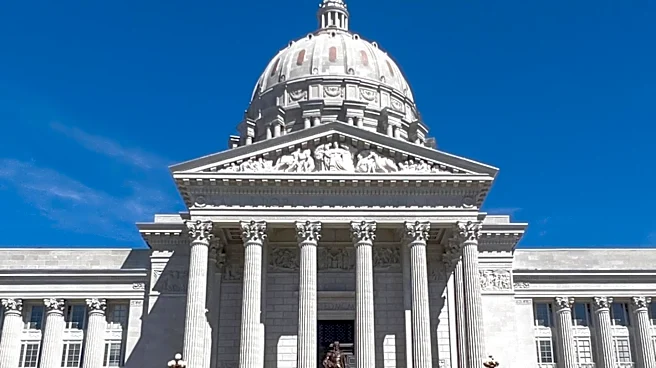
Missouri voters are set to decide whether to reinstate an abortion ban after previously approving a constitutional amendment protecting abortion rights in 2024. This decision is part of a broader trend where states are increasingly divided on abortion access
following the Supreme Court's overturning of Roe v. Wade. Massachusetts recently expanded abortion access by removing restrictions on abortions after 24 weeks, joining other states like Alaska and Colorado in not imposing specific gestational limits. Meanwhile, 13 states have total or near-total abortion bans. Public opinion remains divided, with a Gallup poll indicating that while two-thirds of Americans support legal abortion in the first trimester, support significantly drops for later stages of pregnancy.
Why It's Important?
The decision in Missouri reflects the ongoing national debate over abortion rights, which has become a significant political issue. The divide between states with restrictive and expansive abortion laws highlights the varying public opinions and political climates across the U.S. This issue is expected to influence upcoming elections, as voters in several states will directly address abortion rights on their ballots. The outcome could impact healthcare access, legal frameworks, and political dynamics, particularly in states with contentious abortion laws.
What's Next?
As the November midterm elections approach, abortion rights are likely to remain a pivotal issue. Voters in states like Idaho, Virginia, and Nevada will also face decisions on abortion-related measures. The results could lead to further legal challenges and shifts in state policies, potentially prompting federal responses or new legislative efforts. Stakeholders, including advocacy groups and political leaders, will likely intensify their campaigns to sway public opinion and voter turnout.