






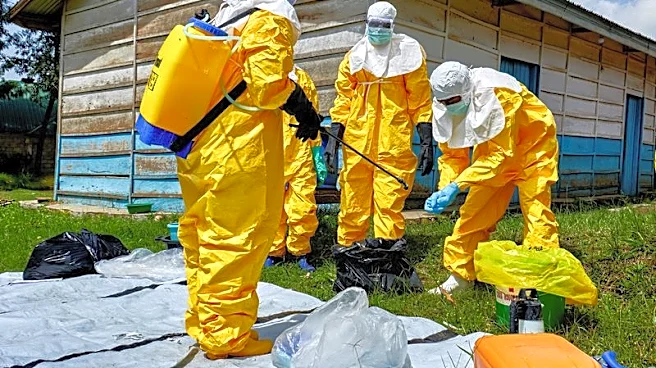

What's Happening?
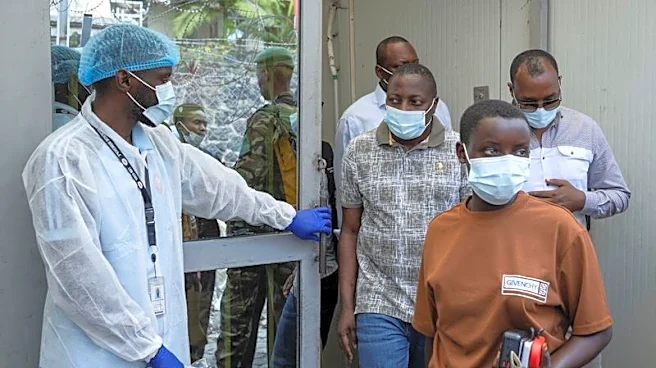
Dr. Peter Stafford, a U.S. medical missionary, has been diagnosed with Ebola after treating patients in the Democratic Republic of Congo (DRC). He is currently receiving treatment at Charite University Hospital in Berlin, Germany. The hospital reports
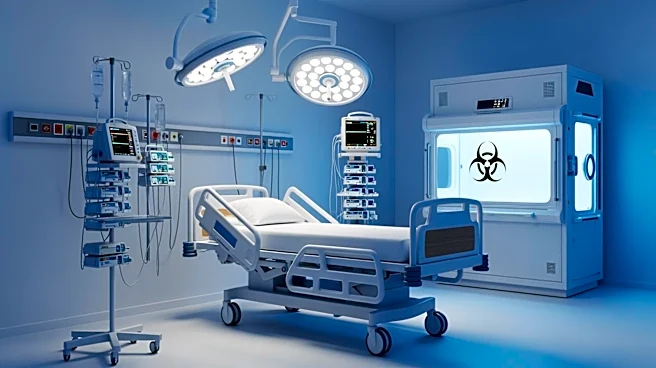
that Dr. Stafford is not critically ill but remains under close observation in a high-security isolation unit. His wife and four children, who are also in Berlin, have tested negative for the Ebola virus and are asymptomatic. They are quarantined in a separate part of the hospital, where they can see Dr. Stafford through a glass partition and communicate via intercom. The decision to transfer Dr. Stafford to Germany was made because it is geographically closer to the DRC than the United States.
Why It's Important?
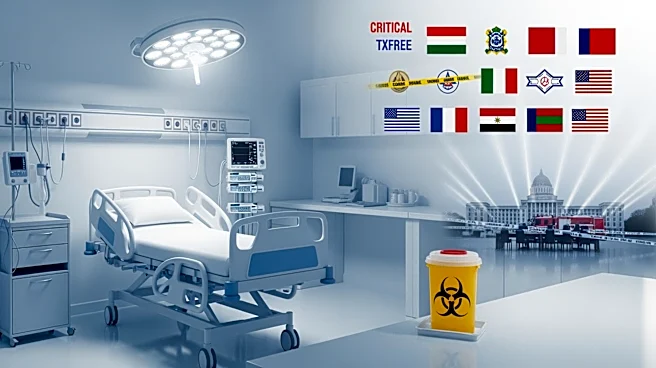
The situation highlights the ongoing challenges of managing Ebola outbreaks, particularly in regions like the DRC where healthcare infrastructure may be limited. The transfer of Dr. Stafford to Germany underscores the importance of international cooperation in handling infectious diseases. The fact that his family has tested negative is a positive development, reducing the immediate risk of further transmission. This case also draws attention to the risks faced by healthcare workers in outbreak zones and the need for robust protective measures. The broader implications include the potential strain on healthcare systems and the necessity for continued vigilance and preparedness in dealing with such infectious diseases.
What's Next?
Dr. Stafford will continue to be monitored closely in Berlin, with medical staff prepared to respond to any changes in his condition. The hospital will maintain its quarantine protocols for his family to ensure their safety and prevent any potential spread of the virus. The situation may prompt further discussions on the protocols for evacuating and treating healthcare workers who contract infectious diseases while working abroad. Additionally, there may be increased scrutiny on the measures in place in the DRC to control the current Ebola outbreak and prevent its spread to other regions.