




What's Happening?
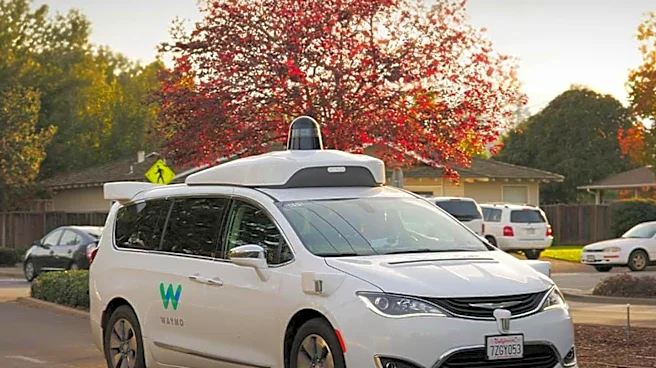
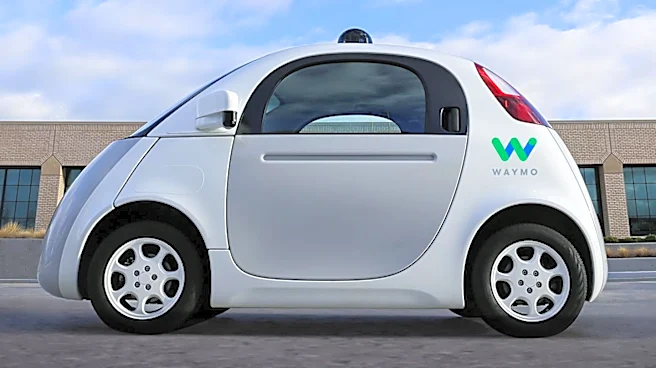
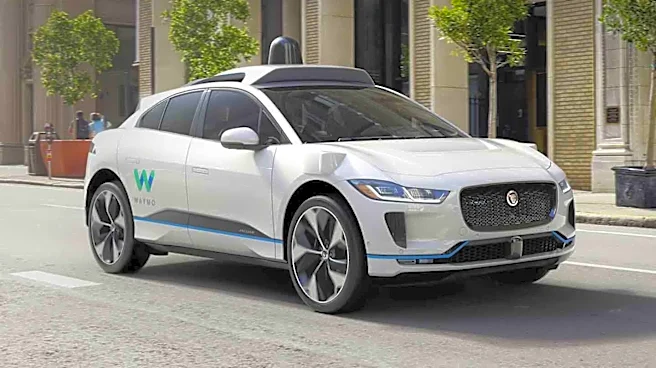
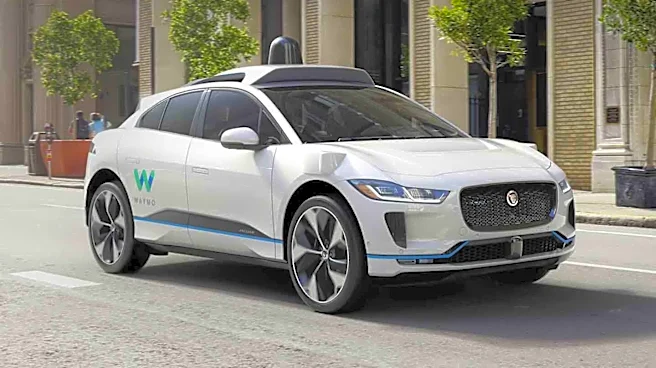
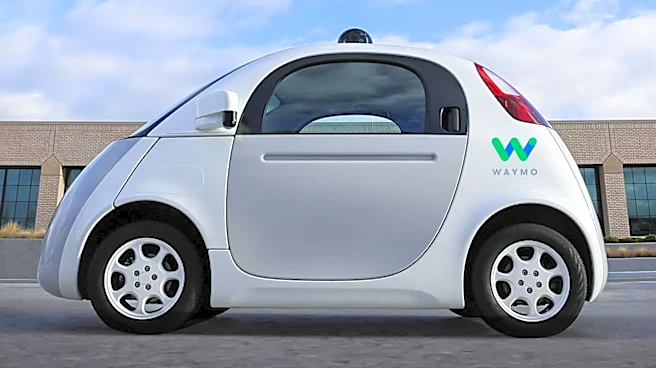
Waymo and other robotaxi operators are under increased scrutiny due to their autonomous vehicles' interactions with emergency responders. Representative Kevin Mullin (D-Calif.) has proposed a bill to establish national safety standards for autonomous vehicle operators.
This follows incidents where autonomous vehicles have obstructed emergency services, such as ambulances and fire trucks. The proposed legislation, the AV Emergency Response Coordination Act, aims to create clear emergency protocols and establish a 24-hour hotline for public officials. It also suggests geofencing capabilities to restrict autonomous vehicle operations during emergencies.
Why It's Important?
The scrutiny on robotaxi operators highlights the challenges of integrating autonomous vehicles into existing urban infrastructure, particularly concerning emergency response. Establishing national safety standards is crucial for ensuring that autonomous vehicles do not impede emergency services, which could have life-threatening consequences. The proposed legislation could lead to more stringent regulations, impacting the operations of companies like Waymo. This development underscores the need for the autonomous vehicle industry to collaborate with regulators and emergency services to ensure public safety and trust in autonomous technology.
What's Next?
If the proposed legislation is passed, it could lead to significant changes in how autonomous vehicles are regulated and operated. Companies may need to invest in new technologies and protocols to comply with the standards. The industry could also face increased pressure to demonstrate their vehicles' safety and reliability in emergency situations. Additionally, the introduction of geofencing capabilities could limit where and when autonomous vehicles can operate, potentially affecting their commercial viability. Stakeholders, including city officials and public safety agencies, will likely play a key role in shaping the future regulatory landscape.