






What's Happening?
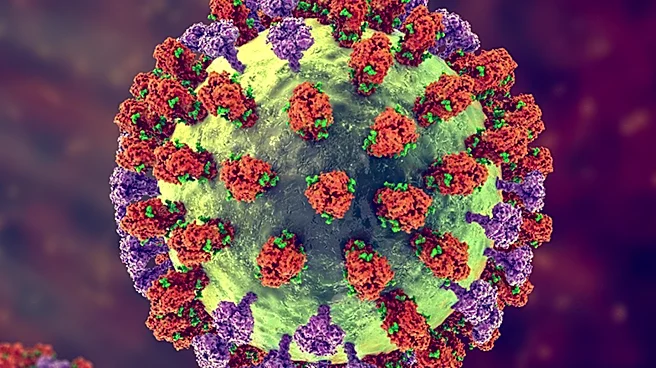
The Chikungunya IgG test is a diagnostic tool used to detect the presence of immunoglobulin G antibodies in the blood, indicating past infection with the chikungunya virus. This test is particularly useful for confirming previous infections, evaluating
persistent joint pain, and supporting clinical diagnoses. It is performed by collecting a blood sample, which is then analyzed for IgG antibodies. A positive result suggests past exposure to the virus and the development of an immune response, while a negative result indicates no previous exposure or testing too early before antibody development. The test is crucial for individuals who have experienced symptoms consistent with chikungunya, such as severe joint pain and fever, and for those living in or traveling to areas where the virus is prevalent.
Why It's Important?
The Chikungunya IgG test plays a significant role in public health and individual patient management. By confirming past infections, it helps healthcare providers understand the epidemiology of chikungunya and manage long-term symptoms like joint pain, which can persist for months or years. This is particularly important in regions where chikungunya is endemic, as it aids in distinguishing between past and recent infections, thereby guiding appropriate treatment and preventive measures. Additionally, the test supports epidemiological investigations and public health strategies aimed at controlling outbreaks and preventing transmission.