
What's Happening?
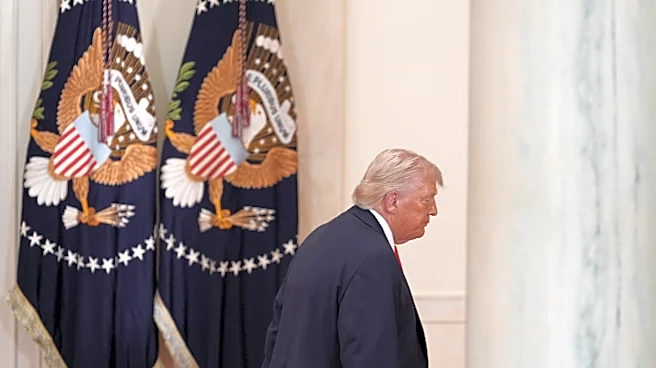
The U.S. and Iran have reached a deadlock in negotiations, with most countries involved in talks stepping back. The U.S. sent a 15-point document to Iran, perceived as a surrender note, leading to a breakdown
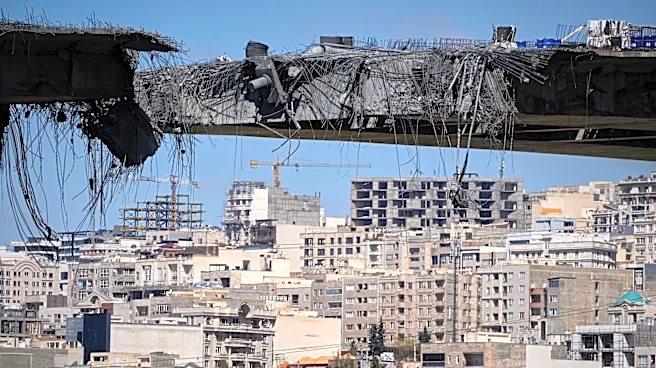
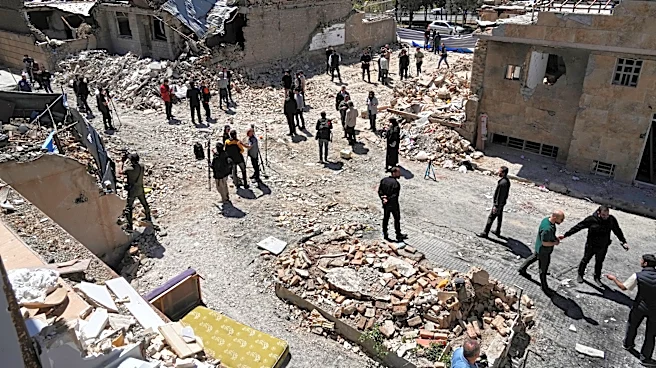
in dialogue. Internal disputes within Iran's leadership contribute to the impasse, with differing views on ending the war. The Islamic Revolutionary Guard Corps believes the regime can survive despite damage, while others seek negotiation. The U.S. informed Israel of the failed talks, and regional tensions remain high. The UAE and other Gulf states advocate a hard line against Iran, with the UAE withdrawing from a French military financing agreement.
Why It's Important?
The collapse of U.S.-Iran talks highlights the complexities of international diplomacy and the challenges of resolving conflicts through negotiation. The situation affects regional stability, with Gulf states taking a firm stance against Iran. Economic measures, such as targeting Iran's oil industry, are part of the U.S. strategy to pressure the regime. The conflict impacts global oil markets and regional alliances, with potential long-term consequences for international relations and economic stability.
What's Next?
The U.S. may continue its economic campaign against Iran, targeting key infrastructure and industries. The conflict is likely to persist, with potential for further military escalation. Regional actors, including the UAE and Saudi Arabia, support continued pressure on Iran. The U.S. strategy may focus on economic collapse as a means to weaken the regime, with sanctions and military actions playing a central role.