
What's Happening?
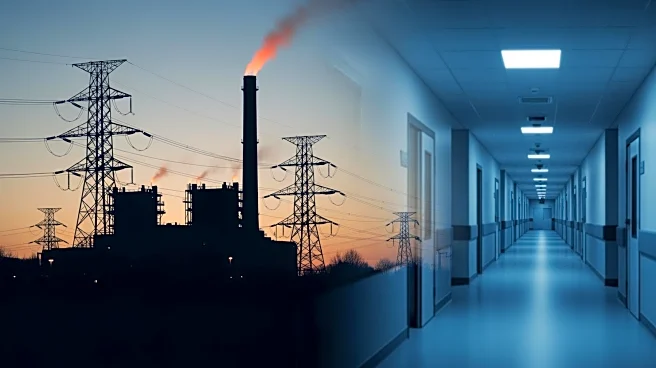
Cuba's health care system is on the brink of collapse due to intensified U.S. sanctions that have severely restricted the island's oil supply. According to Cuba's Health Minister José Ángel Portal Miranda, these sanctions are not only crippling the economy
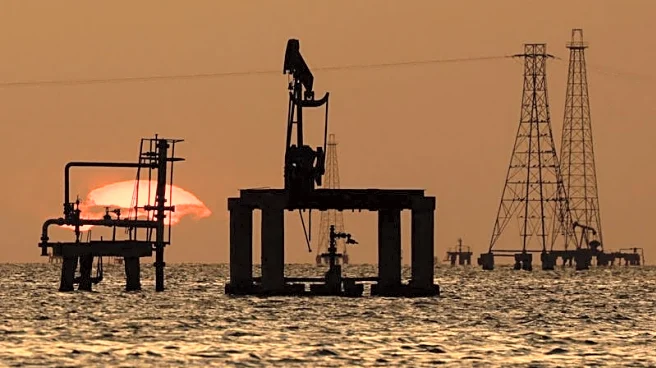
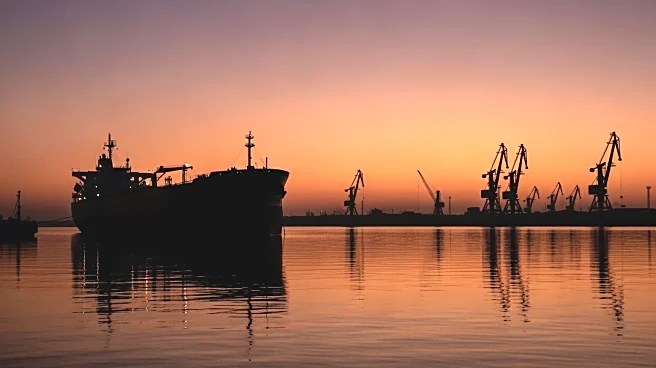
but also endangering basic human safety. The situation has worsened following an executive order by President Trump, imposing tariffs on countries supplying oil to Cuba. This move came after the U.S. ceased Venezuelan oil shipments to Cuba, a critical source of energy for the island. As a result, Cuba, which produces only 40% of its own fuel, is facing severe shortages. The health care system, already strained by a lack of supplies and staff, is now struggling with fuel shortages affecting ambulance services and hospital operations. The crisis is impacting millions, including cancer patients and those with chronic illnesses, as medical services are curtailed.
Why It's Important?
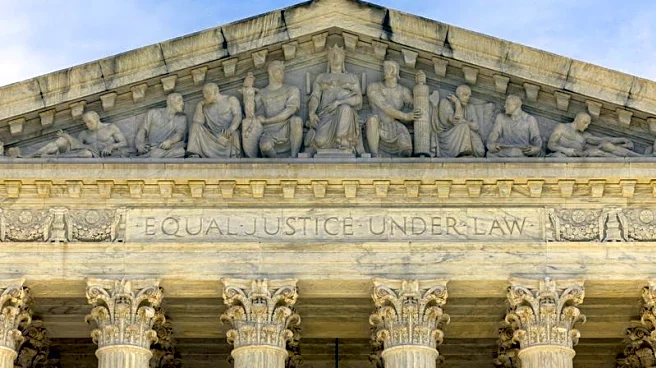
The intensification of U.S. sanctions on Cuba has significant humanitarian implications, as it exacerbates the island's existing economic and health care challenges. The sanctions aim to pressure the Cuban government towards regime change, but they disproportionately affect the civilian population, leading to a potential humanitarian crisis. The health care system, which follows a universal and free model, is particularly vulnerable, with shortages in medicine and medical services becoming more acute. This situation highlights the ethical and moral debates surrounding the use of sanctions as a tool for political change, especially when they lead to widespread suffering among ordinary citizens. The international community is increasingly concerned about the legality and morality of such sanctions, as they threaten the well-being of millions of Cubans.
What's Next?
Cuba's government is attempting to mitigate the crisis by installing solar panels in clinics and prioritizing care for vulnerable populations like children and the elderly. However, these measures may not be sufficient to address the deepening crisis. The Cuban government may seek to strengthen alliances with other countries to secure alternative energy sources, but the geopolitical landscape remains challenging. The U.S. administration's stance suggests that sanctions will continue, potentially leading to further deterioration of conditions in Cuba. International pressure and diplomatic efforts may play a role in shaping future developments, as global debate on the sanctions' impact intensifies.
Beyond the Headlines
The situation in Cuba underscores the broader implications of international sanctions as a foreign policy tool. While intended to pressure governments, such measures often have unintended consequences, including humanitarian crises and regional instability. The Cuban case highlights the need for a balanced approach that considers both political objectives and human rights. The crisis also raises questions about the role of international organizations in mediating such conflicts and providing humanitarian aid. As the situation evolves, it may prompt a reevaluation of sanctions policies and their alignment with international law and ethical standards.