






What's Happening?
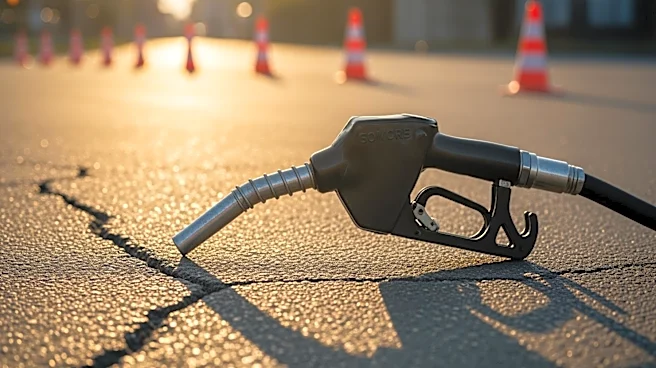
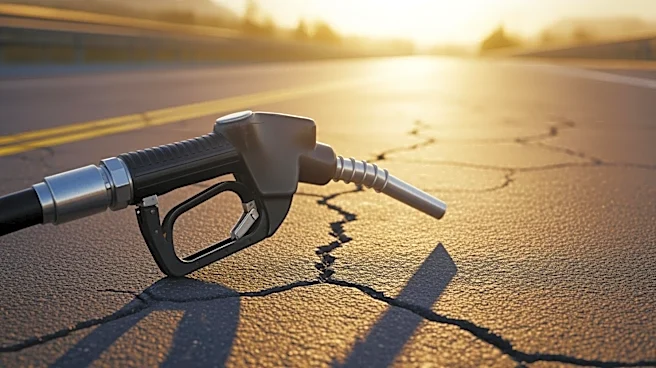
Oil executives have cautioned the White House about a potential sharp increase in gas prices as summer travel peaks. The warning comes as commercial stockpiles and the Strategic Petroleum Reserve are nearing historically low levels, reminiscent of the Reagan
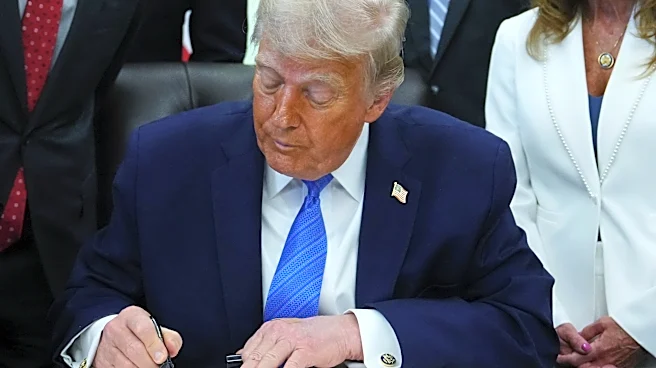
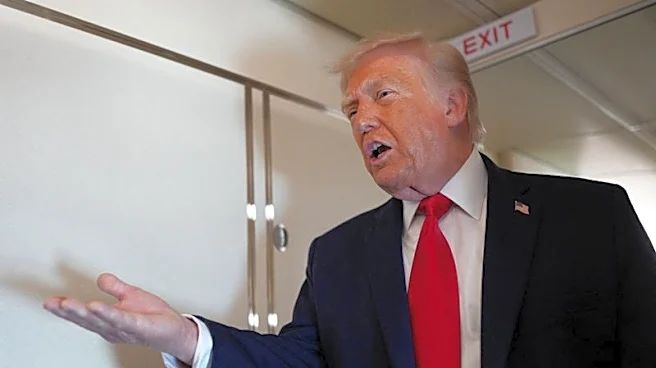
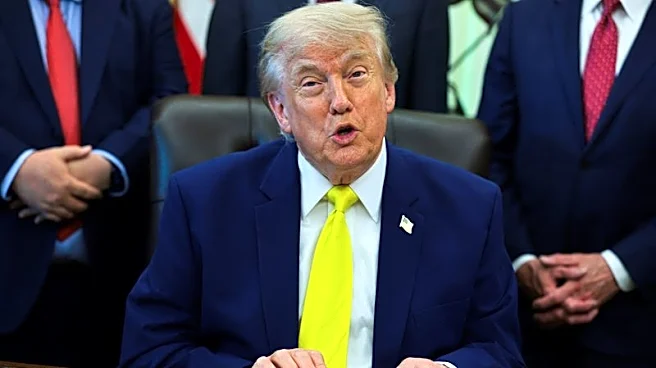
era. Industry leaders predict that gasoline prices could exceed $5 per gallon if current trends continue, particularly with the ongoing conflict in Iran affecting oil traffic through the Strait of Hormuz, a critical passage for global oil and gas. Despite a recent dip in average gas prices to approximately $4.13 per gallon, the situation remains precarious. President Trump has downplayed the concerns, expressing confidence that oil prices will drop significantly once the conflict ends. However, some administration officials acknowledge the potential political fallout if gas prices rise further, especially with midterm elections approaching.
Why It's Important?
The potential surge in gas prices could have significant economic and political implications. A rise in fuel costs would likely exacerbate inflation, which is already at its fastest pace in three years, impacting consumer spending and economic stability. Higher gas prices could also negate recent wage gains for many Americans, reducing disposable income and potentially slowing economic growth. Politically, the situation poses a risk for the current administration, as rising fuel costs could lead to public dissatisfaction and influence voter sentiment in the upcoming midterm elections. The administration's response, including potential reserve releases and policy adjustments, will be closely scrutinized by both the public and political opponents.
What's Next?
If gas prices continue to rise, the administration may face increased pressure to take further action, such as additional releases from the Strategic Petroleum Reserve or policy changes to alleviate supply constraints. The ongoing conflict in Iran and its impact on global oil supply will remain a critical factor in determining future price trends. Political leaders and industry stakeholders will likely engage in discussions to address the potential economic and political consequences of sustained high fuel prices. The situation will require careful management to balance economic stability with political considerations.