



What's Happening?
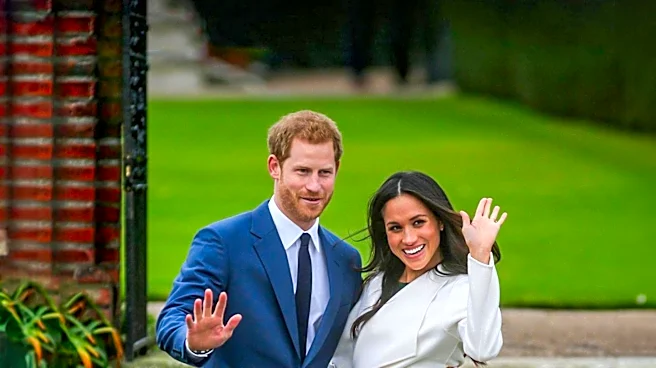
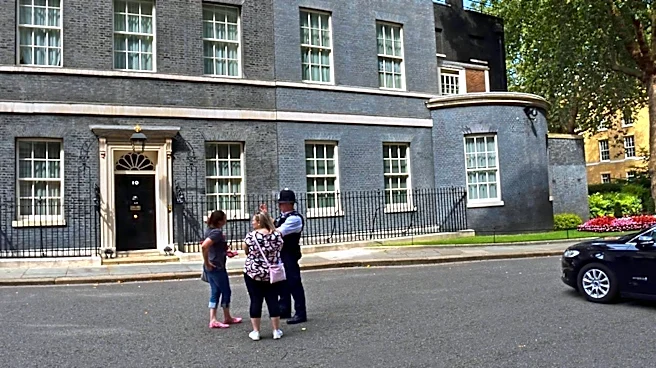
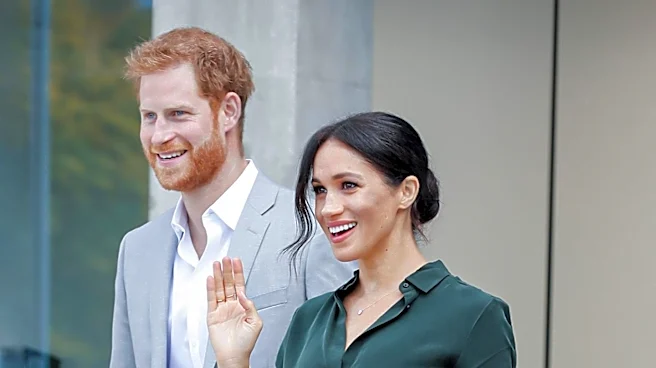
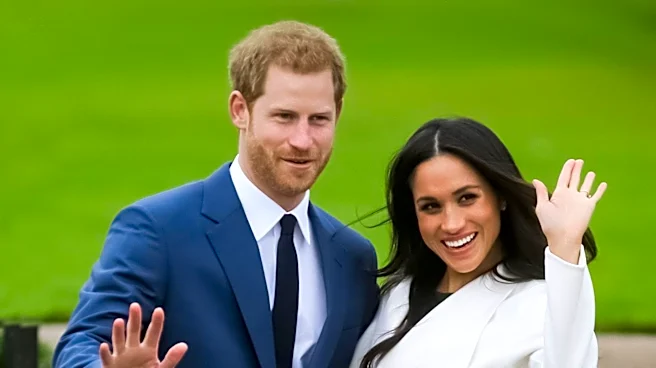
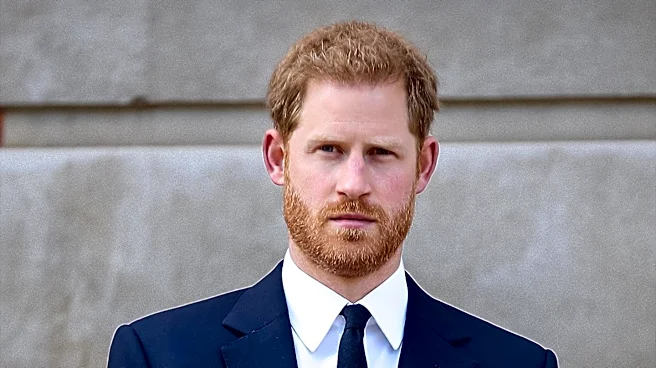
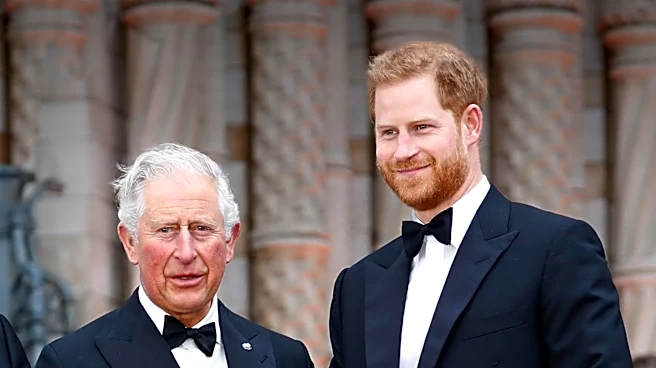
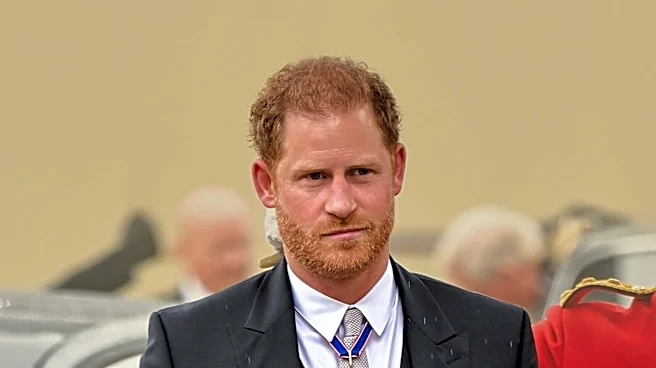
Prince Harry and Meghan Markle reportedly received no response from the UK government after offering to assist with upcoming legislation aimed at restricting social media access for minors. According to RadarOnline, the Duke and Duchess of Sussex reached
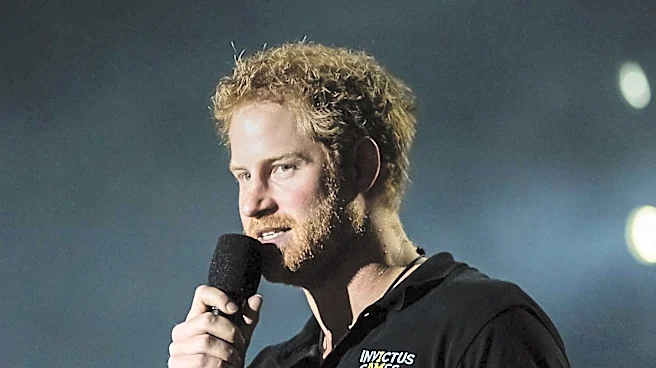
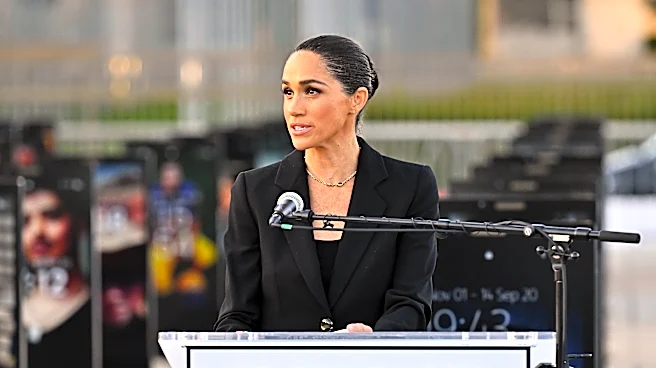
out to UK ministers to support efforts to implement social media restrictions for users under the age of 16. Despite their ongoing and public campaign against harmful online content and their collaboration with families who have lost children to online exploitation, their outreach was allegedly met with 'deafening silence.' An insider described the situation as an 'awkward rejection' and 'embarrassing' for the couple, who have made online child safety a cornerstone of their philanthropic work. Prince Harry recently spoke at the European Parliament in Brussels, emphasizing the need for 'safety by design' and urging industry leaders to prioritize children's well-being over commercial interests.
Why It's Important?
This reported lack of engagement from the UK government is significant because it highlights a potential disconnect between the Sussexes' international advocacy efforts and their reception in the UK. Prince Harry and Meghan Markle have positioned themselves as prominent voices in the global conversation around online child safety, leveraging their platform to raise awareness and push for policy changes. A perceived snub from the UK government could undermine their efforts to influence policy in their home country and potentially impact their credibility as advocates. It also raises questions about the dynamics between the royal family (or former senior royals) and the government, and how offers of collaboration are perceived and handled, especially on issues of public policy and social welfare.
What's Next?
The reported 'deafening silence' from the UK government could lead to several outcomes. It might prompt Prince Harry and Meghan Markle to intensify their international advocacy efforts, focusing on other nations or global organizations that are more receptive to their input. Alternatively, it could lead to a re-evaluation of their strategy for engaging with the UK government on such issues. The incident may also fuel further speculation about their relationship with official UK institutions and the extent of their influence on domestic policy. Their continued public appearances and speeches on online child safety, such as Prince Harry's address in Brussels, indicate their unwavering commitment to the cause, regardless of specific governmental responses.
Beyond the Headlines
This situation delves into the complex role of non-governmental public figures, even those with royal ties, in influencing national policy. It raises questions about the mechanisms through which advocacy groups and prominent individuals can effectively engage with governments on critical social issues. The reported rejection, if true, could be interpreted in various ways: as a political maneuver, a bureaucratic oversight, or a reflection of underlying tensions. It also highlights the challenges of translating celebrity influence into tangible policy change, especially when dealing with sensitive topics like child protection and social media regulation, which often involve powerful industry interests and complex legislative processes.