








What's Happening?
The world's tiger population is facing severe threats, with only six extant subspecies remaining: the Siberian, South China, Sumatran, Indochinese, Malayan, and Bengal tigers. These subspecies are critically endangered due to significant habitat loss
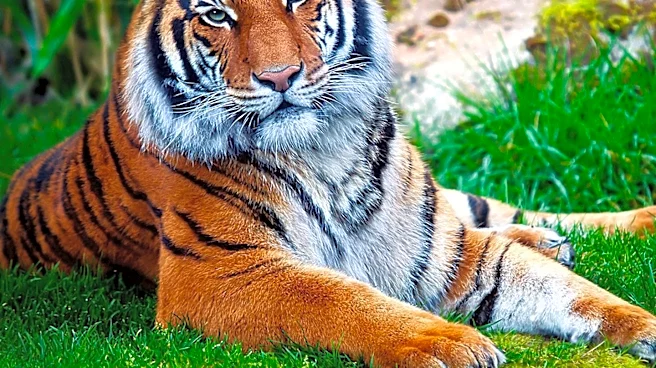
and illegal poaching. Over the past century, approximately 96% of the tiger's natural habitat has been lost, primarily due to land development. This has resulted in a drastic reduction in their population, with only 3,000 to 4,500 individuals estimated to be left in the wild. Conservationists are working to track and protect these majestic animals, whose distinctive orange coats and black stripes make them unique among big cats.
Why It's Important?
The decline in tiger populations is a significant concern for biodiversity and ecosystem balance. Tigers are apex predators, playing a crucial role in maintaining the health of their ecosystems by controlling prey populations. Their extinction would lead to overpopulation of certain species, which could result in habitat degradation. Additionally, tigers hold cultural and economic importance in many regions, particularly in Asia, where they are a symbol of strength and are integral to tourism. The loss of tigers would not only impact ecological balance but also the economies of countries that rely on wildlife tourism.
What's Next?
Efforts to conserve tiger populations are ongoing, with initiatives focusing on habitat preservation, anti-poaching measures, and breeding programs. Countries like India, which holds a significant portion of the world's tiger population, are implementing stricter wildlife protection laws and creating more protected areas. International cooperation is also crucial, as tigers often cross national borders. Conservationists are advocating for increased funding and global awareness to support these efforts. The success of these initiatives will depend on the collaboration between governments, NGOs, and local communities.
Beyond the Headlines
The plight of tigers highlights broader issues of wildlife conservation and the impact of human activities on natural habitats. The illegal wildlife trade, driven by demand for tiger parts in traditional medicine, poses a significant threat. Addressing this requires not only legal enforcement but also cultural shifts in consumer behavior. Furthermore, the loss of tiger habitats is a stark reminder of the need for sustainable development practices that balance human needs with environmental preservation. The future of tigers depends on our ability to integrate conservation into broader socio-economic policies.