






What's Happening?
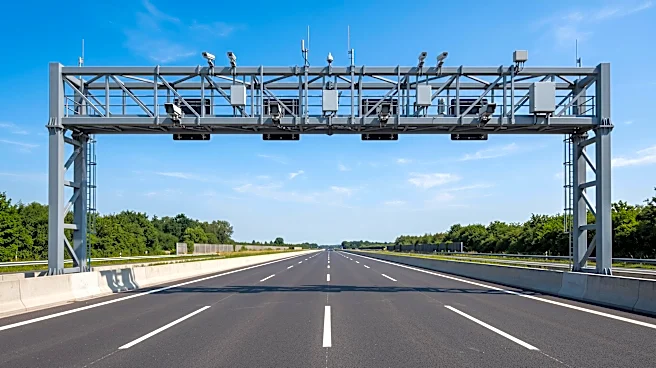
A recent state audit has found that the Maryland Transportation Authority (MDTA) did not fully utilize available options to collect $818 million in unpaid tolls and penalties from out-of-state drivers. This substantial sum includes $230.9 million in unpaid tolls and an additional
$587.2 million in penalties. A significant portion, over $386 million, has been outstanding for more than three years. Drivers from Virginia account for the largest share of this debt, owing approximately $234.7 million, followed by Pennsylvania at $97.5 million, and New Jersey at $80.7 million. The audit highlighted that Maryland possesses mechanisms to collect unpaid tolls from its own residents, such as intercepting state tax refunds, which have successfully recovered about $119 million since fiscal year 2023. However, similar comprehensive measures were not applied to out-of-state debtors. The audit also noted that Maryland has not established reciprocal agreements with other states that could facilitate the collection of these outstanding debts.
Why It's Important?
The failure to collect $818 million in unpaid tolls and penalties has significant financial implications for Maryland's Transportation Trust Fund and the state's overall budget. This substantial amount of uncollected revenue could otherwise be allocated to critical infrastructure projects, maintenance, and improvements within the state's transportation network. David Williams, president of the Taxpayers Protection Alliance, emphasized the importance of this money for the state's needs. The audit's findings raise concerns about the efficiency and effectiveness of the MDTA's collection strategies for out-of-state drivers, especially when compared to the successful methods used for in-state residents. The lack of reciprocal agreements with neighboring states represents a missed opportunity to leverage interstate cooperation for debt recovery, potentially setting a precedent for other states facing similar challenges with cross-border toll evasion. This situation could lead to increased financial burdens on Maryland taxpayers or necessitate cuts in other state services if the revenue gap is not addressed.
What's Next?
Following the audit's revelations, the Maryland Transportation Authority is expected to face pressure to review and revise its strategies for collecting outstanding toll debt from out-of-state drivers. This may involve exploring new avenues for collection, such as engaging private collection agencies or referring the debt to a central collection unit, options that the audit indicated were not fully pursued. Furthermore, there will likely be discussions and efforts to establish reciprocal agreements with other states, particularly Virginia, Pennsylvania, and New Jersey, which account for the largest portions of the unpaid debt. Such agreements could provide Maryland with legal and administrative leverage to enforce collections across state lines. The state legislature and relevant committees may also initiate inquiries or propose new legislation to strengthen the MDTA's ability to recover these funds, potentially impacting future budgeting and transportation funding decisions. The audit also included a redacted cybersecurity finding, suggesting that further internal reviews or security enhancements may be underway within the MDTA.
Beyond the Headlines
The issue of uncollected out-of-state toll debt extends beyond mere financial figures, touching upon broader questions of interstate cooperation, digital infrastructure security, and equitable burden-sharing among road users. The absence of reciprocal agreements highlights a systemic challenge in managing cross-jurisdictional financial obligations, potentially encouraging a perception of impunity for out-of-state drivers. This could lead to a 'free-rider' problem, where some benefit from state infrastructure without contributing their fair share, ultimately placing a disproportionate burden on in-state taxpayers. The redacted cybersecurity finding, while not detailed, underscores the increasing vulnerability of critical infrastructure systems to digital threats, suggesting that the MDTA, like many public agencies, must continuously invest in and adapt its cybersecurity measures. Addressing these issues effectively will require not only financial and administrative reforms but also a concerted effort to foster greater collaboration between states and enhance digital resilience.