






What's Happening?
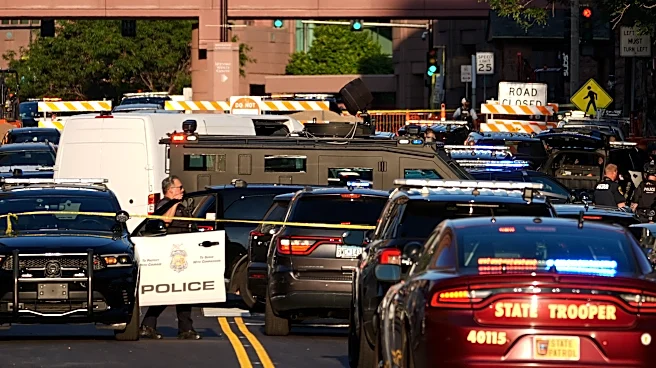
Two individuals, Dale Spry, 63, and Muse Afrah, 61, were killed in a mass shooting at a downtown Minneapolis apartment complex. Officials identified the victims as neighbors of the alleged gunman, Carlton Johnson II, who was reportedly facing eviction
from his apartment. The incident began with a child custody exchange outside the Shoreline Plaza building, where Johnson shot a woman in the leg. He then entered the building, assaulting two employees before taking an elevator to the ninth floor and shooting Spry and Afrah. Johnson was later killed in an exchange of gunfire with police. Three officers sustained injuries, two from gunshot wounds and one from glass cuts. The Minnesota Bureau of Criminal Apprehension is investigating the incident. Spry was a U.S. Marine veteran who suffered from PTSD, according to his estranged daughter. The Hennepin County Attorney's Office had previously reviewed a case against Johnson for threatening a resident and brandishing a firearm in June, but declined to prosecute due to insufficient evidence.
Why It's Important?
This tragic event highlights several critical issues within urban communities, including gun violence, mental health challenges, and the complexities of the legal system's response to potential threats. The fact that the alleged gunman was facing eviction and had prior reports of threatening behavior raises questions about the effectiveness of existing preventative measures and interventions. The incident also underscores the profound impact of such violence on victims' families and the broader community, as expressed by Spry's family members. The involvement of law enforcement and the injuries sustained by officers further emphasize the dangers faced by first responders in these situations. The case also brings to light the challenges in prosecuting cases where evidence is deemed insufficient, even when there are clear indications of potential danger, and the limitations of Extreme Risk Protection Orders.
What's Next?
The Minnesota Bureau of Criminal Apprehension will continue its investigation into the mass shooting, including determining whether the victims were specifically targeted. The Hennepin County Attorney's Office may face scrutiny regarding its prior decision not to prosecute Johnson for earlier threats, potentially leading to a review of their evidence assessment protocols. The incident could also prompt discussions among local authorities and community leaders about enhancing security measures in apartment complexes, improving mental health support services, and re-evaluating the processes for addressing eviction-related disputes involving individuals with a history of violent behavior. The community will likely grapple with the aftermath of the violence, including supporting the victims' families and addressing any lingering safety concerns among residents.
Beyond the Headlines
The Minneapolis shooting exposes deeper societal issues beyond the immediate tragedy. The alleged gunman's history of threats and the prior decision not to prosecute, despite a resident's fear for safety and a request for a harassment restraining order, point to potential gaps in the legal and social safety nets designed to prevent violence. The case also implicitly raises questions about the balance between individual rights and public safety, particularly concerning gun ownership and mental health interventions. The impact on the community's sense of security and trust in institutions could be significant. Furthermore, the incident may fuel broader debates about gun control legislation and the resources allocated to address mental health crises and homelessness, especially for veterans like Dale Spry who may be struggling with PTSD.