


What's Happening?
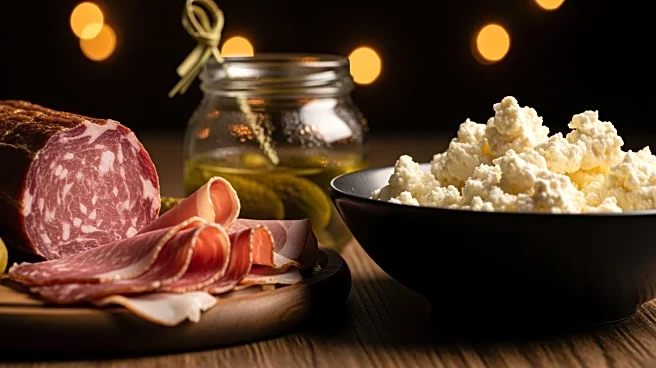
Health experts are cautioning the public about the potential health risks associated with popular holiday foods. Processed meats, fried foods, and sugary desserts, staples of festive meals, have been linked to harmful inflammation and DNA damage in the colon,
potentially leading to cancer. Colorectal cancer rates have been rising among adults under 55, with advanced-stage diagnoses becoming more common. Additionally, holiday favorites like turkey and ham can harbor bacteria such as salmonella and Campylobacter, which cause foodborne illnesses. Experts advise careful preparation and consumption of these foods to mitigate risks.
Why It's Important?
The warnings from health experts highlight significant public health concerns, particularly as colorectal cancer rates rise among younger adults. The consumption of processed meats and sugary drinks, common during the holidays, is linked to increased cancer risk. This information is crucial for public awareness, as it underscores the need for dietary caution and food safety practices. The potential for bacterial infections from improperly prepared holiday foods also poses immediate health risks, emphasizing the importance of food safety education to prevent illness.
What's Next?
As the holiday season continues, individuals are encouraged to adopt safer food preparation practices, such as proper thawing and cooking of meats, and to limit the intake of processed and sugary foods. Health experts may continue to advocate for public awareness campaigns to educate on the risks associated with holiday eating habits. Additionally, there may be increased scrutiny on food safety regulations and guidelines to prevent foodborne illnesses during festive gatherings.
Beyond the Headlines
The broader implications of these findings could influence long-term dietary habits and public health policies. There may be a push for clearer labeling of processed foods and increased research into the links between diet and cancer. The cultural significance of holiday meals may also be examined, as traditional foods are scrutinized for their health impacts. This could lead to a shift in how holiday meals are prepared and consumed, with a focus on healthier alternatives.