






What's Happening?
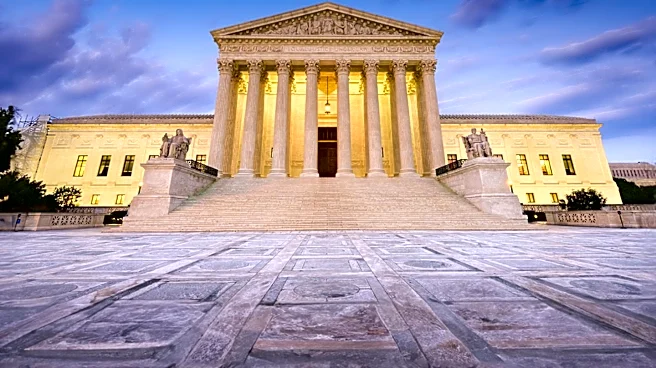
The Illinois Supreme Court has ruled against Uber Technologies, Inc. in a case concerning the arbitrability of wrongful death claims. The case stems from the death of Mark Geller, an Uber passenger who died in a single-vehicle accident involving an Uber driver.
Mark Geller's wife, Gloria Sheridan Geller, acting as the independent administrator of his estate, filed claims for wrongful death and under the Survival Act. Uber sought to compel arbitration based on terms-of-use agreements signed by both Mark and Gloria. While the circuit court compelled arbitration for the survival claims based on Mark's agreement, it denied arbitration for the wrongful death claims relying on Gloria's agreement. The appellate court reversed this, stating an arbitrator should decide if Gloria's wrongful death claims fell within her arbitration agreement. However, the Illinois Supreme Court ultimately decided that Gloria had not "clearly and unmistakably" agreed to delegate the arbitrability of the estate's wrongful death claims to an arbitrator, and that these claims did not fall within the scope of her personal arbitration agreement. The court emphasized that the wrongful death claims arose from Mark's use of Uber's services, not Gloria's.
Why It's Important?
This ruling by the Illinois Supreme Court is significant for several reasons, particularly in the context of arbitration agreements and wrongful death claims in the gig economy. It clarifies the high bar for delegating arbitrability, requiring "clear and unmistakable" evidence that parties intended to allow an arbitrator, rather than a court, to decide the scope of an arbitration agreement. For companies like Uber, which heavily rely on arbitration clauses in their terms of service, this decision could limit the enforceability of such clauses in specific types of claims, especially those involving third-party beneficiaries or statutory rights like wrongful death. It underscores that a wrongful death action, filed by a surviving spouse, is not necessarily an asset of the deceased's estate that can be limited by the deceased's arbitration agreement. This could lead to more wrongful death cases against ride-sharing companies being litigated in traditional courts rather than through arbitration, potentially increasing legal costs and public scrutiny for these companies.
What's Next?
Following the Illinois Supreme Court's decision, the wrongful death counts in the case against Uber will be remanded to the circuit court to proceed with litigation. This means that Gloria Sheridan Geller's wrongful death claims will be heard in a traditional court setting, rather than being subject to arbitration. The ruling may prompt other states to review their interpretations of arbitration clauses in similar contexts, particularly concerning wrongful death claims and the rights of beneficiaries who may not have directly agreed to the terms of service. Ride-sharing companies and other businesses that utilize extensive arbitration agreements may need to re-evaluate and potentially revise their terms of service to ensure clarity regarding the scope of arbitration, especially when it pertains to claims brought by individuals who are not direct signatories to the service agreement but are affected by its use. This could lead to a broader legal discussion on consumer protection and the limits of arbitration in cases involving severe personal injury or death.
Beyond the Headlines
This ruling delves into the intricate legal landscape surrounding arbitration, particularly the Federal Arbitration Act and its interplay with state laws. The court's detailed analysis of threshold issues in arbitration matters, as noted by Michael T. Reagan, will likely serve as a crucial reference point for future cases. It highlights a fundamental tension between the desire for efficient dispute resolution through arbitration and the protection of individual rights, especially in cases of wrongful death where the claimants may not have been direct parties to the original service agreement. The decision also implicitly raises questions about the adequacy of current legal frameworks in addressing the complexities introduced by the gig economy, where the lines between service providers, users, and affected third parties can be blurred. This case could contribute to a broader re-evaluation of how arbitration clauses are applied to protect vulnerable parties and ensure access to justice, potentially influencing legislative efforts to refine arbitration laws in the U.S.