



What's Happening?
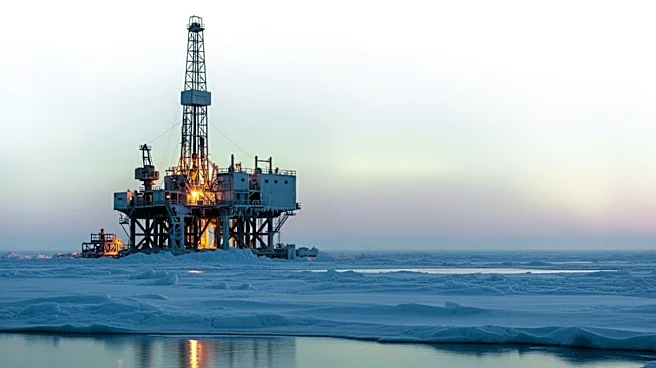
The Trump administration is proceeding with an oil and gas lease sale in Alaska's Arctic National Wildlife Refuge, despite facing significant opposition from environmental groups and a lack of interest in previous sales. The lease sale is part of a broader
push by the administration to expand oil and gas development in Alaska, which includes provisions in a tax and spending bill passed by Congress mandating lease sales in three regions of the state. Environmental groups, including The Wilderness Society and Sierra Club, have urged major petroleum companies not to participate, citing ongoing litigation and potential risks. The coastal plain of the refuge, which is the size of Delaware, is seen by supporters as a potential resource for boosting U.S. oil production, while opponents argue it should be protected due to its ecological significance and the impact of climate change.
Why It's Important?
The lease sale in the Arctic National Wildlife Refuge is a contentious issue that highlights the ongoing debate between economic development and environmental conservation. The outcome of this sale could have significant implications for U.S. energy policy, particularly in terms of balancing energy independence with environmental protection. If successful, the lease sale could lead to increased oil production and economic benefits for Alaska, but it also risks damaging a sensitive ecosystem and affecting indigenous communities that rely on the land for subsistence. The decision could set a precedent for future energy development projects in protected areas, influencing both domestic and international environmental policies.
What's Next?
The lease sale is expected to proceed, but its success will depend on industry interest and the outcome of ongoing litigation. Environmental groups are likely to continue their efforts to block drilling in the refuge, potentially leading to further legal challenges. The response from major oil companies will be crucial, as their participation or lack thereof could influence the future of oil development in the region. Additionally, the stance of the incoming administration could alter the trajectory of this and similar projects, depending on their energy and environmental priorities.
Beyond the Headlines
The lease sale raises broader questions about the role of public lands in energy development and the ethical considerations of exploiting natural resources in ecologically sensitive areas. It also highlights the cultural significance of the land for indigenous communities, such as the Gwich'in, who view the area as sacred. The decision to proceed with drilling could exacerbate tensions between economic interests and cultural preservation, prompting a reevaluation of how such conflicts are managed in the future.