







What's Happening?
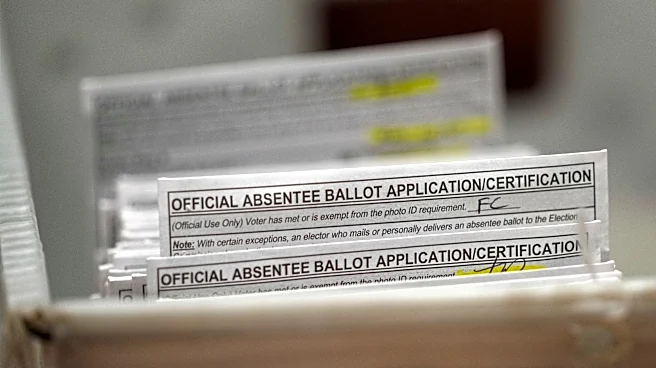
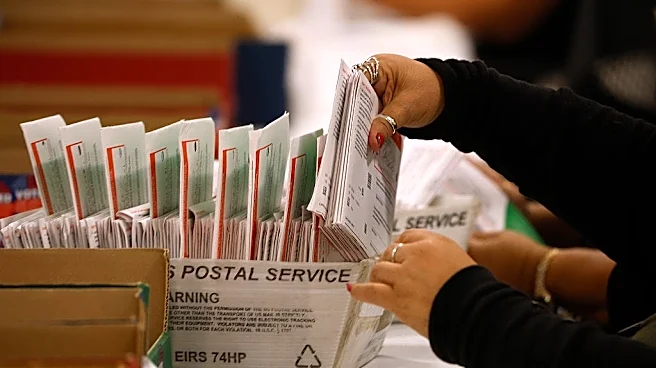
California's June primary saw nearly 150,000 mail-in ballots rejected, marking the highest rejection rate since 2014. The primary reason for rejection was late postmarks, attributed to changes in the U.S. Postal Service's (USPS) transportation operations.
These changes have resulted in some mailpieces not being postmarked on the same day they are mailed, particularly affecting ballots mailed from areas far from processing facilities. Election officials and voting advocates have expressed concern over the impact of these changes on voter participation and the integrity of the election process.
Why It's Important?
The high rate of ballot rejections due to USPS policy changes raises significant concerns about voter disenfranchisement and the effectiveness of mail-in voting. The situation highlights the critical role of postal services in ensuring that all votes are counted and the potential for systemic issues to affect election outcomes. The rejection of ballots can undermine public confidence in the electoral process and may disproportionately affect certain voter demographics, such as those in rural areas or with limited access to polling places.
What's Next?
California election officials may consider policy changes to address the challenges posed by USPS operations, such as extending the postmark deadline or enhancing voter education efforts. The USPS may face increased scrutiny and pressure to optimize its operations to prevent future delays. The situation could also prompt broader discussions on the role of mail-in voting in U.S. elections and the need for federal standards to ensure consistency and fairness across states.