




What's Happening?
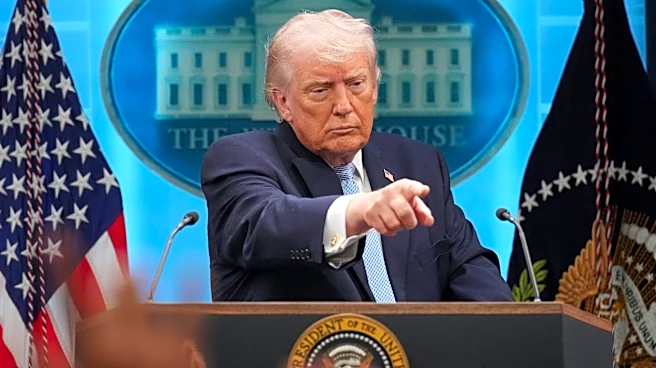
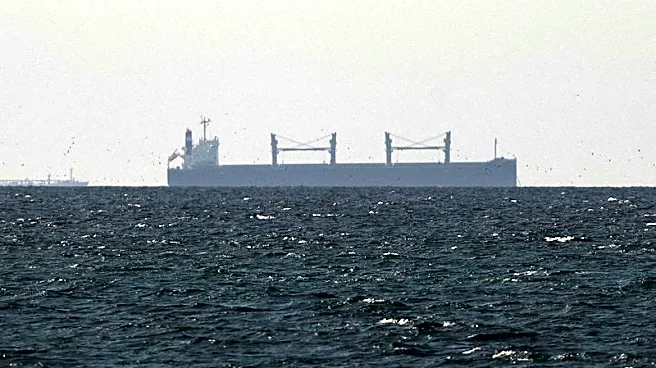
President Trump has set a deadline for Iran to reopen the Strait of Hormuz by 8 p.m. ET, as tensions between the U.S. and Iran escalate. The President has threatened widescale attacks on Iran's infrastructure if the deadline is not met. This comes as oil
prices continue to rise due to the closure of this key maritime passageway. The situation remains tense with hopes for a ceasefire deal diminishing. Wall Street analysts are closely monitoring the situation, with some sending representatives to the region for firsthand observations.
Why It's Important?
The closure of the Strait of Hormuz, a critical chokepoint for global oil shipments, has significant implications for the global economy, particularly for oil prices. A military conflict could further disrupt oil supplies, leading to increased prices and economic instability. The U.S. economy, heavily reliant on stable oil prices, could face inflationary pressures. Additionally, the geopolitical ramifications could strain U.S. relations with allies and impact international diplomatic efforts.
What's Next?
If Iran does not comply with the deadline, the U.S. may proceed with military actions, potentially leading to a broader conflict in the Middle East. This could prompt reactions from global powers and impact international markets. Diplomatic efforts may intensify to prevent escalation, with potential involvement from international organizations seeking a peaceful resolution.