



What's Happening?
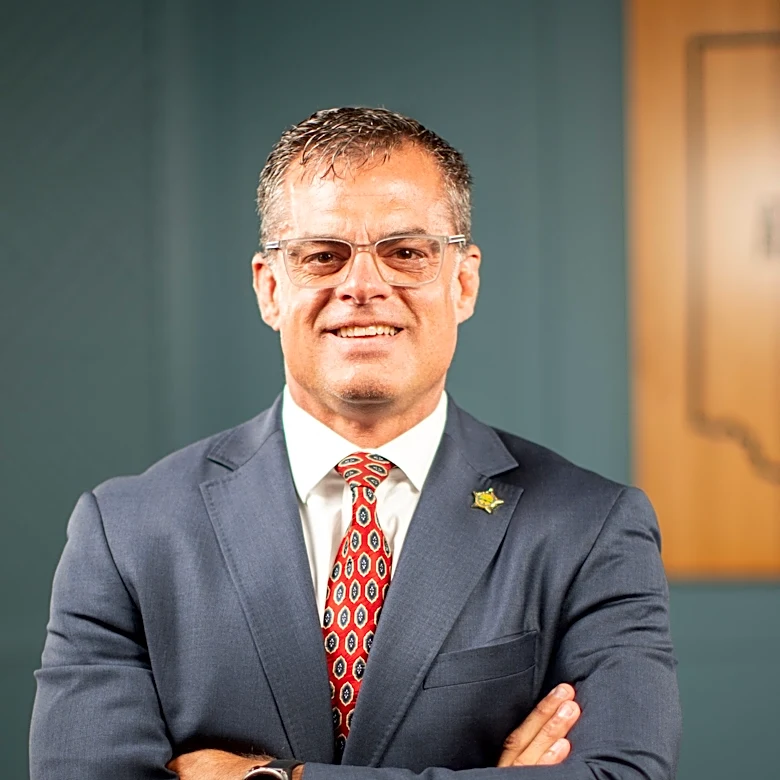
First-term U.S. Representative Brandon Gill, a Republican from Flower Mound, is vying for the top Republican position on the influential House Committee on Oversight and Government Reform. This development comes as the current chairman, U.S. Representative James
Comer, a Republican from Kentucky, approaches the end of his third term, which is the limit for committee chairs under Republican rules. The position is set to become open when Congress reconvenes in January. Gill has rapidly gained prominence, earning praise from senior colleagues and cultivating a substantial online following through viral videos showcasing his assertive questioning of committee witnesses. Another Republican, U.S. Representative Pat Fallon of Sherman, who is in his fourth term, has also publicly announced his intention to seek the committee nomination. Comer appointed Gill in May as chair of the committee’s Task Force on Defending Constitutional Rights and Exposing Institutional Abuses, commending him as a rising star who has exposed what Comer termed the 'insanity of the Radical Left.'
Why It's Important?
The House Committee on Oversight and Government Reform holds significant power as the primary investigative panel for the House of Representatives, tasked with overseeing the activities of the U.S. government and federal agencies. The leadership of this committee is crucial as its investigations and hearings often carry partisan implications, frequently targeting the political opponents of the party in power. The selection of the next top Republican will therefore shape the committee's agenda and investigative priorities in the upcoming congressional term. The competition between Gill, a relatively new but highly visible member, and Fallon, a more experienced representative, highlights the internal dynamics and succession planning within the Republican party for key leadership roles. The outcome of the November midterm elections will also play a critical role, determining whether Republicans maintain their House majority and thus the ability to name committee chairs, or if Gill and Fallon will instead be contending for the ranking member position on a Democratic-led panel.
What's Next?
The position of the top Republican on the House Committee on Oversight and Government Reform will become open when Congress returns in January, following U.S. Representative James Comer's term limit. Both U.S. Representative Brandon Gill and U.S. Representative Pat Fallon have publicly expressed their intent to seek this nomination. The selection process will likely involve internal Republican caucuses and negotiations to determine who will lead the committee. The broader political landscape, particularly the results of the November midterm elections, will significantly influence the nature of this role. If Republicans retain control of the House, the chosen individual will assume the chairmanship, wielding considerable investigative authority. Conversely, if Democrats gain a majority, the selected representative will serve as the ranking member, leading the minority party's efforts on the committee. The candidates' ability to garner support from their colleagues and demonstrate their capacity for rigorous oversight will be key factors in the upcoming decision.
Beyond the Headlines
The pursuit of the top Republican oversight post by U.S. Representative Brandon Gill, a first-term congressman, underscores a broader trend in contemporary U.S. politics: the increasing influence of social media and online presence in shaping political careers and leadership aspirations. Gill's rapid ascent and praise from senior colleagues are partly attributed to his significant online following and viral clips of his committee confrontations. This phenomenon suggests that a strong digital footprint and the ability to effectively communicate through new media platforms are becoming increasingly vital for political advancement, potentially even outweighing traditional metrics of seniority or legislative experience. This shift could lead to a new generation of political leaders who are adept at leveraging social media for public engagement and political messaging. Furthermore, the highly partisan nature of the Oversight Committee's investigations, as noted in the source, highlights the ongoing polarization within U.S. politics, where committee roles are often seen as platforms for challenging political opponents rather than solely for neutral governmental oversight.