



What's Happening?
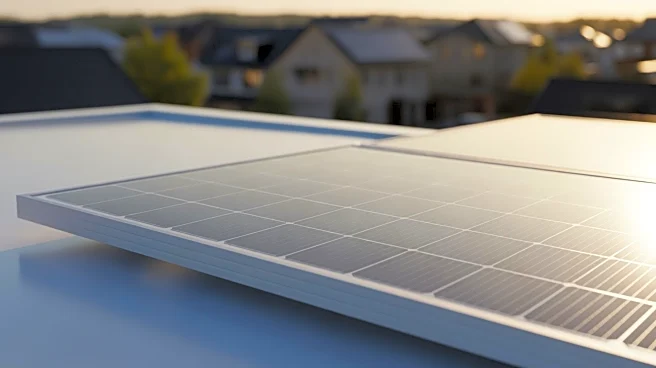
Across the United States, individuals are increasingly adopting small plug-in solar panels as a cost-effective alternative to traditional rooftop solar systems. These compact solar kits, which can be mounted on balconies, backyard walls, or carports,
offer a simpler and more affordable way to generate electricity. The trend, already popular in Germany, is gaining traction among U.S. residents who are looking to lower their energy bills without the high upfront costs associated with full rooftop installations. For example, Agnes Chan from Berkeley, California, purchased a $400 plug-in system, expecting it to pay for itself within a few years. Despite their growing popularity, plug-in solar panels face regulatory challenges, as many areas require the same registration process as rooftop systems. However, states like Utah have begun to pass legislation allowing these systems without registration, provided certain safety standards are met.
Why It's Important?
The shift towards plug-in solar panels reflects a broader movement towards accessible renewable energy solutions in the U.S. This development is significant as it democratizes access to solar power, particularly benefiting renters and those in multifamily housing who have been traditionally excluded from rooftop solar options. By reducing reliance on the grid, these systems can help lower electricity costs for consumers, contributing to energy independence and sustainability. The regulatory challenges highlight the need for updated policies that accommodate new technologies while ensuring safety and grid stability. As more states consider similar legislative measures, the adoption of plug-in solar panels could accelerate, potentially impacting the national energy landscape by increasing the share of renewable energy.
What's Next?
As the popularity of plug-in solar panels grows, more states may follow Utah's lead in adjusting regulations to facilitate their use. This could involve developing new safety standards and certification processes to address concerns about grid safety and the potential risks of uncertified systems. Utilities and policymakers will need to balance the benefits of increased renewable energy adoption with the need for oversight and infrastructure management. The ongoing legislative developments could pave the way for broader acceptance and integration of plug-in solar technology, potentially influencing future energy policies and market dynamics.