


What's Happening?
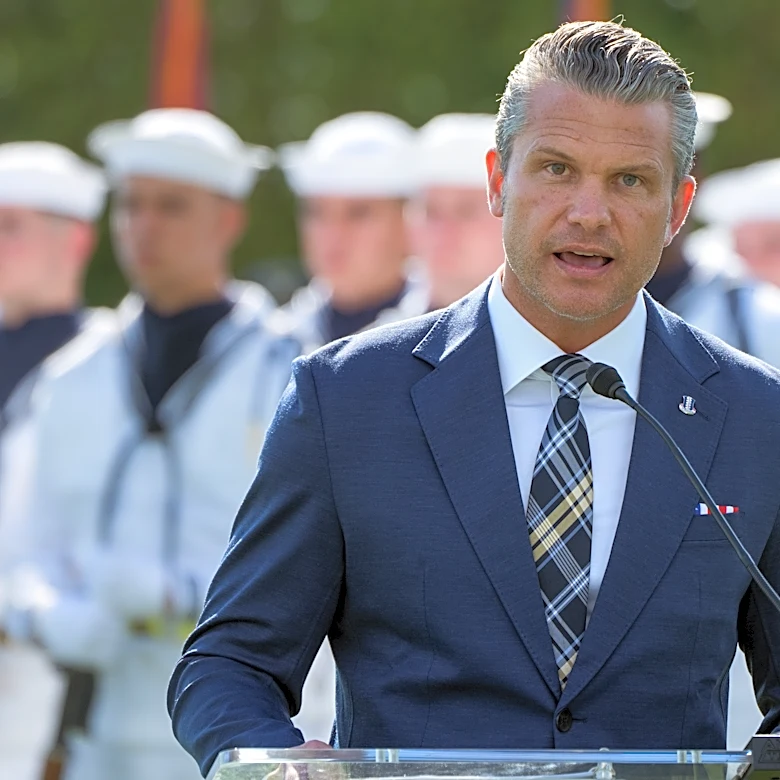
U.S. Department of Veterans Affairs Secretary Doug Collins recently attended the Military Influencer Conference, where he participated in a town hall meeting. Following the event, Secretary Collins was observed engaging directly with attendees. One attendee,
a school teacher and United States Marine Corps veteran, approached Secretary Collins as he was about to board an elevator. Despite being surrounded by his security team and in transit, Secretary Collins paused to speak with the veteran. The veteran inquired about potential support for efforts to assist homeless veterans through his church in Orange Park, Florida. Secretary Collins responded positively, engaging in a conversation and instructing his VSO Chief to provide contact information, promising to set something up. This interaction highlighted his genuine and approachable demeanor, taking the time to listen and respond to a direct query from a veteran.
Why It's Important?
This interaction underscores the importance of accessibility and direct engagement from high-ranking government officials, particularly those serving the veteran community. Secretary Collins' willingness to engage personally with a veteran, even in a brief encounter, can significantly impact public perception of the U.S. Department of Veterans Affairs. It demonstrates a commitment to addressing the concerns of veterans directly and fosters a sense of trust and responsiveness. For veterans, knowing that their concerns can reach the highest levels of the VA without bureaucratic hurdles can be empowering. This approachability can also encourage more veterans and community organizations to seek partnerships and support from the VA, potentially leading to more effective solutions for critical issues like veteran homelessness. Such personal interactions can humanize government institutions and build stronger relationships with the communities they serve.
What's Next?
Following this direct engagement, the veteran is expected to contact Secretary Collins' office to discuss potential collaboration on initiatives for homeless veterans in Orange Park, Florida. This could lead to a partnership between the veteran's church and the U.S. Department of Veterans Affairs, potentially establishing a new program or expanding existing support for homeless veterans in the region. The positive experience may also encourage other attendees of the Military Influencer Conference, and the broader veteran community, to proactively engage with VA leadership. This incident could serve as a model for how government officials can foster direct communication and build trust with constituents, potentially influencing future public engagement strategies within the VA and other federal agencies.
Beyond the Headlines
The encounter between Secretary Collins and the veteran highlights a deeper cultural aspect of leadership within public service: the value of personal connection and empathy. In an era often characterized by perceived bureaucratic distance, a Cabinet-level Secretary taking a moment to engage directly with a citizen, especially a veteran, can have profound symbolic significance. It reinforces the idea that public servants are accountable and accessible, fostering a sense of civic participation and trust. This kind of interaction can also inspire individuals within the veteran community to take initiative, knowing that their voices can be heard. Ethically, it sets a precedent for responsive governance, emphasizing that even brief, unscheduled interactions can lead to meaningful outcomes and strengthen the bond between government and its citizens.