
What's Happening?
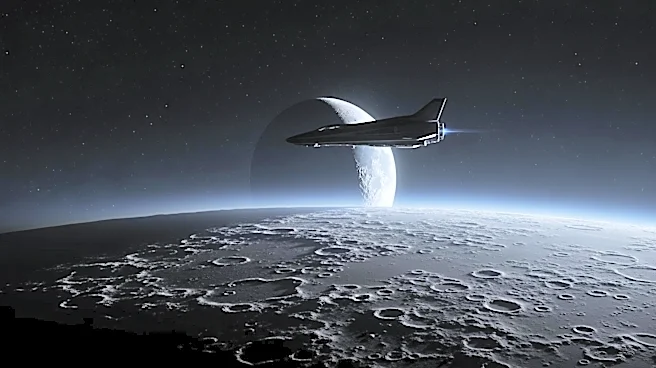
The Artemis II mission has successfully sent a crew around the moon, marking the first time in over 50 years that humans have traveled this far into deep space. The mission broke the Apollo program's record
for the farthest human flight. This historic mission is part of NASA's efforts to explore beyond Earth's orbit and pave the way for future lunar and Mars missions. The crew's journey is a significant milestone in space exploration, demonstrating advancements in technology and international collaboration.
Why It's Important?
This mission represents a major step forward in human space exploration, with implications for scientific research, international cooperation, and technological innovation. The success of Artemis II could lead to increased investment in space programs and inspire a new generation of scientists and engineers. It also reinforces the strategic importance of space exploration in global geopolitics, as countries vie for leadership in this domain. The mission's achievements could accelerate plans for future lunar bases and Mars exploration.
What's Next?
Following the success of Artemis II, NASA and its partners will focus on preparing for subsequent missions, including Artemis III, which aims to land astronauts on the lunar surface. These missions will involve further testing of spacecraft systems and technologies necessary for sustainable human presence on the moon. The international space community will likely continue to collaborate on these efforts, with potential partnerships expanding to include private companies and other nations.