







What's Happening?
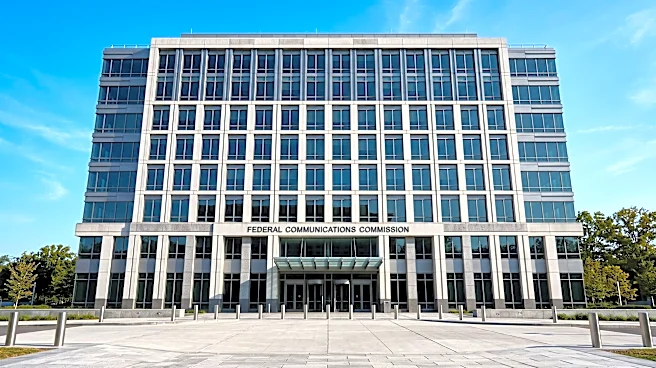
Hunter Deeley has been appointed as the new Chief of the Federal Communications Commission’s (FCC) Enforcement Bureau, effective immediately. He succeeds Patrick Webre, who is transitioning to a senior role within the FCC’s Office of Managing Director.
Deeley previously served as Chief of Staff and Deputy Bureau Chief within the Enforcement Bureau, where he oversaw enforcement matters related to national security risks and collaborated with law enforcement and Intelligence Community partners across the federal government. FCC Chairman Brendan Carr expressed confidence in Deeley's leadership, anticipating continued success in areas such as robocall enforcement, fraud detection, and national security administration. Before his tenure at the FCC, Deeley worked at the U.S. Department of Justice in the National Security Division’s Foreign Investment Review Section, handling matters before the Committee on Foreign Investment in the United States and Team Telecom.
Why It's Important?
The appointment of Hunter Deeley to lead the FCC's Enforcement Bureau is significant for maintaining the integrity and security of U.S. communications. The bureau is crucial for upholding the Communications Act, FCC rules, and agency orders across various sectors, including telecommunications, media, public safety, and consumer protection. Under Chairman Carr's direction, the bureau has prioritized combating robocalls, investigating fraud, and addressing national security-related enforcement issues. Deeley's background, particularly his experience with national security matters at both the FCC and the Department of Justice, suggests a continued focus on these critical areas. This leadership change could influence the FCC's approach to emerging threats and its collaboration with other federal agencies to safeguard national interests within the communications landscape.
What's Next?
Under Hunter Deeley's leadership, the FCC's Enforcement Bureau is expected to continue its robust efforts in areas such as robocall enforcement, fraud investigations, and national security administration. His prior experience in supervising national security-related enforcement matters and his work with law enforcement and intelligence agencies suggest a sustained emphasis on these critical functions. The bureau will likely maintain its role in enforcing the Communications Act and FCC regulations across telecommunications, media, public safety, and consumer protection. This appointment ensures continuity in the FCC's commitment to protecting American consumers and national security interests in the evolving communications environment. The transition of Patrick Webre to a senior role in the Office of Managing Director also indicates a strategic realignment of leadership within the FCC.
Beyond the Headlines
Hunter Deeley's appointment to lead the FCC's Enforcement Bureau underscores the increasing intersection of telecommunications policy and national security. His extensive background in national security, both at the FCC and the Department of Justice, highlights a growing recognition of the critical role communication infrastructure plays in national defense and intelligence. This move suggests a strategic effort to fortify the FCC's capabilities in identifying and mitigating risks posed by foreign entities and cyber threats within the U.S. communications network. The emphasis on collaboration with law enforcement and intelligence communities indicates a more integrated approach to safeguarding digital and broadcast platforms, reflecting a broader governmental concern over the vulnerabilities inherent in modern communication systems. This could lead to more stringent enforcement actions and a proactive stance against potential adversaries in the digital domain.