








What's Happening?
Companies like 1X Technologies, Figure, Tesla, Agility, and Boston Dynamics are actively developing humanoid robots capable of performing human tasks, utilizing physical AI for autonomous operation. These robots, such as 1X's NEO, aim to operate independently
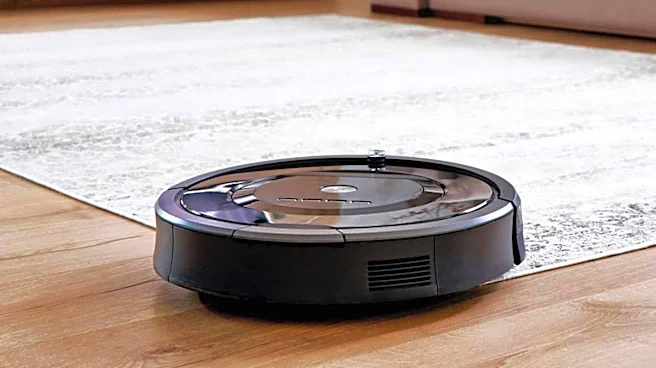
in real-world environments. To achieve this autonomy, these robots require vast amounts of data, similar to how large language models operate. This data is often collected through videos of people performing everyday tasks, sometimes publicly sourced or licensed. Companies like Shift are emerging to facilitate this data collection, paying individuals to record themselves doing chores, with the goal of creating a 'world of abundance' free from labor shortages. While companies assert privacy safeguards, including anonymization of personal information and user control over data sharing, concerns persist regarding the security and privacy implications of these devices, especially given past incidents with robotic vacuums being hacked.
Why It's Important?
The rapid advancement of humanoid robots has significant implications for the U.S. economy and society. The promise of robots performing human labor could address labor shortages across various industries, potentially transforming sectors from manufacturing to domestic services. However, the extensive data collection required to train these robots raises substantial privacy and security concerns for consumers. Past incidents with robotic vacuums demonstrate vulnerabilities to hacking, which could expose sensitive personal information or allow unauthorized access to private spaces. The 'social contract' between users and robot manufacturers, where data sharing is often a prerequisite for improved functionality, necessitates careful consideration of ethical boundaries and regulatory frameworks to protect individual privacy and prevent misuse of collected data. The development of these technologies could also reshape employment landscapes, creating new job categories while potentially displacing others.
What's Next?
As humanoid robots like 1X's NEO are expected to ship to consumers by late 2026, the debate around data privacy and security will intensify. Manufacturers will likely face increased scrutiny to implement robust safeguards and transparent data handling policies. Consumers will need to weigh the convenience and utility of these robots against the privacy trade-offs involved in their operation. Regulatory bodies may also begin to explore new guidelines or legislation specifically addressing data collection by home robots, potentially moving beyond traditional notice-and-consent frameworks to ensure ongoing transparency and protection for users and bystanders. The industry will likely see continued innovation in robot dexterity and autonomy, driven by the availability of more training data, while simultaneously grappling with public trust and ethical considerations.
Beyond the Headlines
The integration of humanoid robots into daily life presents profound ethical and societal challenges beyond immediate privacy concerns. The concept of 'ongoing transparency' in data collection, as suggested by experts, highlights the need for robots to clearly signal when they are collecting data, especially in shared environments where bystanders, including children, may not have consented. This raises questions about the nature of consent in an increasingly automated world. Furthermore, the human tendency to anthropomorphize robots could lead to a false sense of security, obscuring the fact that these are machines designed to collect and process data. Society will need to grapple with defining the boundaries of robot interaction in private spaces, ensuring that technological advancement does not inadvertently erode fundamental rights to privacy and autonomy. The long-term societal impact on human interaction, labor, and even the definition of privacy itself will be significant.