






What's Happening?
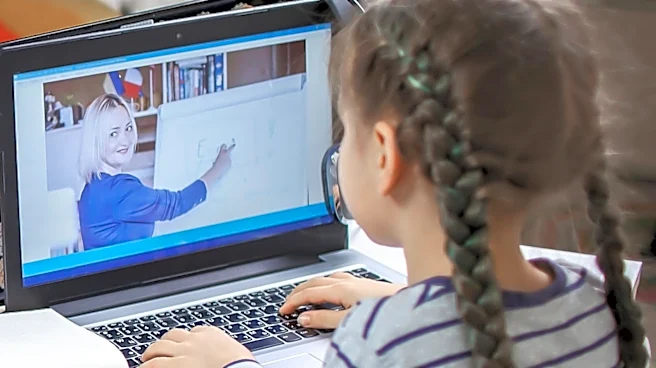
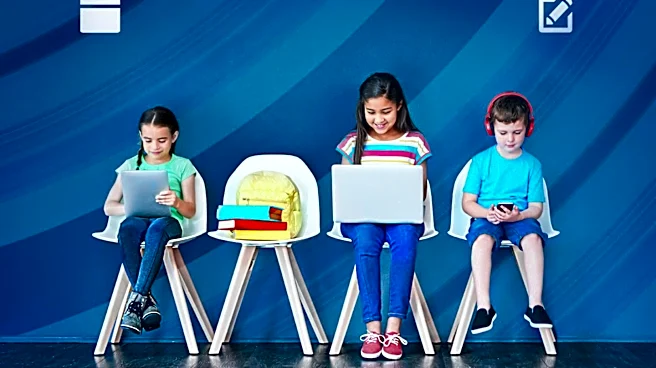
Seattle Public Schools has expanded its technology restrictions for elementary students, introducing new daily screen-time limits and blocking access to several popular digital platforms. Students in grades three through five are now limited to one hour
of screen time per day on school devices. This new policy builds upon existing guidelines for kindergarten through second-grade students, which were first implemented in September. Additionally, the district has blocked YouTube, Google’s Gemini AI, and Minecraft on student computers. This decision was made in response to concerns from educators regarding inappropriate use of these programs and their use during non-instructional time. Superintendent Ben Shuldiner noted that observations from over 100 school visits revealed excessive device usage unrelated to the curriculum. The district also advised educators against using laptops and iPads as rewards, incentives, or for free-time activities, emphasizing their role as instructional tools.
Why It's Important?
This policy shift by Seattle Public Schools reflects a growing national conversation about the role of technology in education and its impact on student development. By limiting screen time and blocking certain applications, the district aims to foster more hands-on learning experiences and reduce potential distractions. This move could influence other school districts across the U.S. to re-evaluate their own technology policies, potentially leading to a broader trend of stricter screen-time regulations in elementary education. The decision also highlights concerns about the appropriate integration of AI tools like Google's Gemini in K-12 settings and the educational value of platforms like YouTube and Minecraft within the classroom. For parents, it may alleviate worries about excessive digital exposure during school hours, while for technology companies, it signals a need to consider the educational appropriateness and potential misuse of their platforms in school environments.
What's Next?
The implementation of these new screen-time limits and app blocks will likely lead to ongoing discussions among parents, educators, and the school board. Families are invited to continue the conversation at an upcoming SPS board meeting, indicating that the policy may be subject to further review and refinement based on community feedback. Other school districts may observe Seattle's experience to inform their own technology guidelines, potentially leading to similar restrictions or alternative approaches to managing digital tools in classrooms. Technology providers whose platforms have been blocked may need to engage with educational institutions to address concerns about their products' use in schools. The district will also need to monitor the effectiveness of these new rules in achieving their goals of enhancing hands-on learning and reducing inappropriate device use.
Beyond the Headlines
This development touches upon deeper societal questions regarding childhood development in an increasingly digital world. The district's emphasis on reducing screen time for hands-on learning underscores a pedagogical debate about the balance between digital literacy and traditional educational methods. It also raises questions about digital equity, as access to technology outside of school varies among students, and how such policies might affect students who rely on digital tools for certain types of learning or creative expression. The blocking of AI tools like Gemini reflects broader anxieties about the ethical implications and appropriate integration of artificial intelligence in early education, including concerns about critical thinking, information literacy, and potential over-reliance on AI-generated content. This move could spark further research into the long-term effects of early childhood screen exposure and the optimal role of technology in fostering holistic development.