

What's Happening?
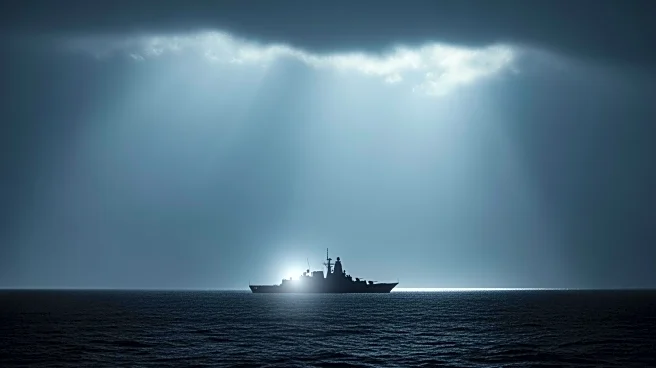
The possibility of a U.S. military strike on Iran remains uncertain as President Trump has repeatedly signaled intentions to attack but has not followed through. Since late December, there have been several instances where an attack seemed imminent, particularly
with the arrival of the U.S. Lincoln aircraft carrier group. However, negotiations with Iran have resumed, and the situation remains fluid. The Trump administration's decision-making process has been influenced by various factors, including media coverage and diplomatic considerations. Despite the presence of U.S. military assets in the region, the focus has shifted towards negotiating a new nuclear deal with Iran.
Why It's Important?
The ongoing uncertainty regarding U.S. military action against Iran has significant implications for regional stability and global security. A military strike could lead to widespread conflict in the Middle East, affecting global oil markets and international relations. The potential for military action also impacts U.S. foreign policy, as it navigates complex relationships with allies and adversaries in the region. The situation underscores the challenges of balancing military readiness with diplomatic efforts to achieve a peaceful resolution to the nuclear issue.
What's Next?
The future of U.S.-Iran relations will likely depend on the outcome of ongoing negotiations and Iran's willingness to make concessions on its nuclear program. If Iran agrees to freeze its missile production and limit its nuclear activities, it could pave the way for a new agreement, potentially easing tensions. However, if negotiations falter, the risk of military confrontation remains. The international community will be closely monitoring developments, with potential implications for global security and economic stability.