






What's Happening?
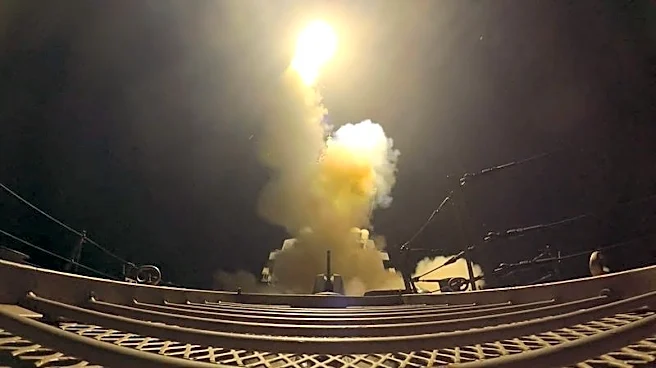
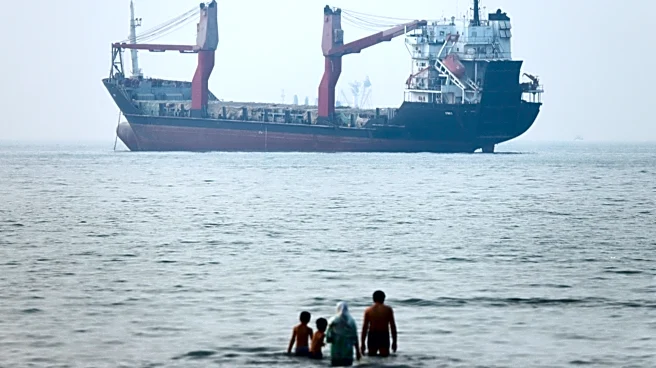
European countries are evaluating proposals to implement navigation fees in the Strait of Hormuz, contingent on UN agency support and non-compulsory payments. This comes amid heightened tensions between the US and Iran, following recent military exchanges
and the collapse of a ceasefire agreement. The US has urged Iran to publicly declare the strait open for safe passage, while Iran insists on its sovereignty over the waterway. The situation is further complicated by internal power struggles within Iran and regional diplomatic efforts to ensure maritime safety.
Why It's Important?
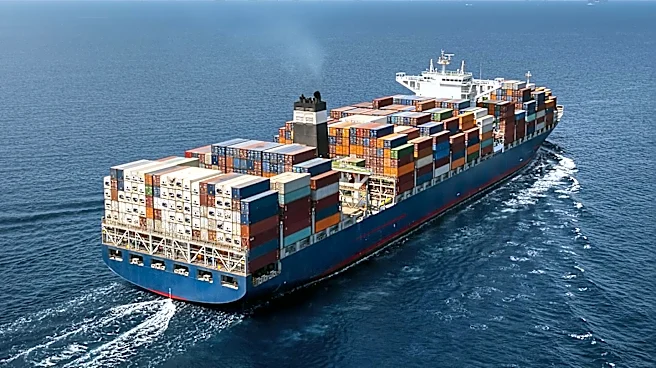
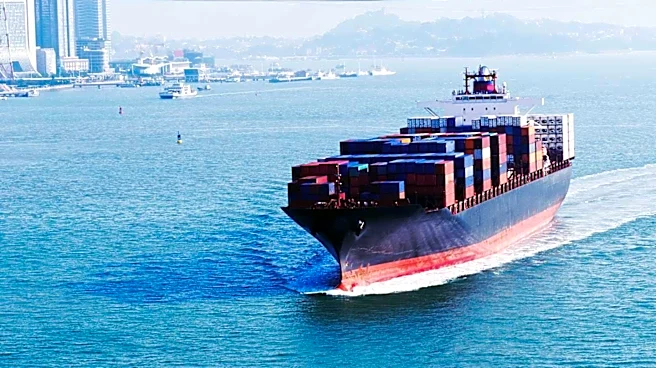
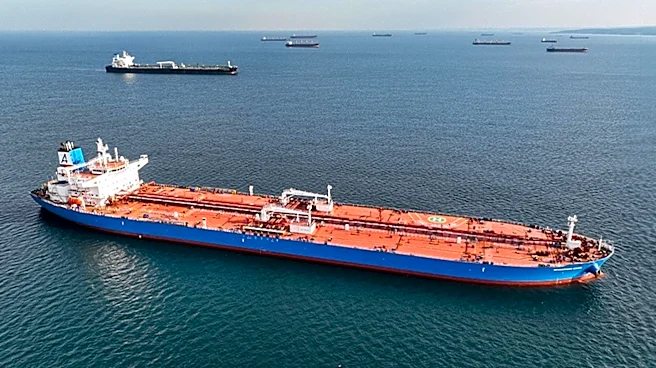
The Strait of Hormuz is a critical chokepoint for global oil shipments, and any disruption could have significant economic repercussions worldwide. The proposal for navigation fees reflects ongoing geopolitical tensions and the challenges of maintaining open and secure shipping lanes. The US-Iran conflict over the strait underscores the fragile nature of international agreements and the potential for regional instability to impact global markets. The outcome of these discussions could set precedents for international maritime law and influence future diplomatic negotiations.
What's Next?
Diplomatic efforts are underway, with Oman playing a key role in mediating discussions between Iran and other stakeholders. The US continues to push for a resolution that ensures the free passage of vessels, while Iran faces pressure to clarify its stance on navigation fees. The international community will be closely monitoring these developments, as any escalation could lead to further military confrontations or economic sanctions. The situation remains fluid, with potential implications for global energy security and international relations.