







What's Happening?
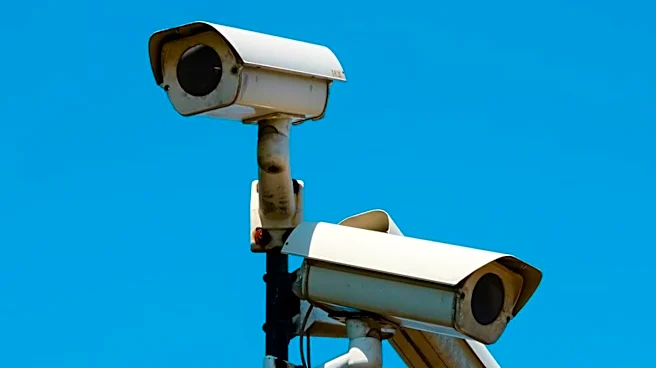
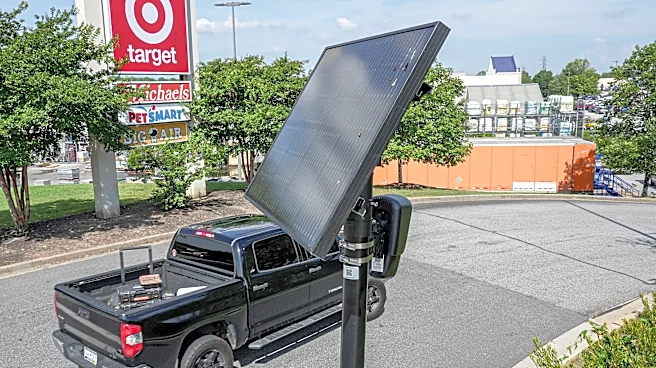
Florida's Department of Transportation (DOT) has revoked all permits for vehicle license plate reader systems, including Flock cameras, located within the right-of-way of state highway roads. This decision comes in response to an increase in reported
misuse of these systems, data privacy concerns, and surveillance schemes. The DOT will also cease issuing new permits for such systems within its jurisdictional authority. Will Watts, the chief operating officer and assistant secretary of Transportation, stated that while Florida law limits permit issuance to law enforcement agencies, the recent surge in deployments and misuse reports necessitates immediate action to protect Floridians' sovereignty and quality of life. The affected parties, primarily local law enforcement agencies, have 30 days to remove the cameras. If not removed within this timeframe, the DOT will undertake their removal.
Why It's Important?
This action by the Florida DOT signifies a significant shift in the state's approach to surveillance technology on public roads. The widespread deployment of license plate readers, while often justified for law enforcement purposes, has raised substantial privacy concerns among civil liberties advocates and the public. The reported misuse of these systems by law enforcement officers, leading to firings and criminal charges in Florida and other states like Massachusetts and Louisiana, highlights the potential for abuse of powerful surveillance tools. This move could set a precedent for other states to re-evaluate their policies regarding automated license plate readers, potentially leading to stricter regulations or outright bans. It underscores the ongoing tension between public safety measures and individual privacy rights in the digital age, impacting how technology is integrated into public infrastructure and overseen by governmental bodies.
What's Next?
The immediate next step involves the removal of all existing license plate reader systems from Florida's state highway rights-of-way within 30 days by the permit holders. Should these systems not be removed, the Florida DOT will proceed with their removal. This decision is likely to prompt reactions from law enforcement agencies that rely on these cameras for investigations and crime prevention, potentially leading to discussions about alternative solutions or legal challenges to the DOT's directive. Furthermore, the move could influence legislative debates regarding privacy and surveillance technology at both state and federal levels. Technology providers like Flock Safety may need to adapt their services or implement more robust safeguards to address privacy concerns and prevent misuse, especially if other states follow Florida's lead.
Beyond the Headlines
The Florida DOT's decision delves into the deeper societal implications of pervasive surveillance technology. Beyond the immediate concerns of misuse by individual officers, it touches upon the broader ethical debate surrounding constant monitoring in public spaces. The collection of vast amounts of data on citizens' movements, even if anonymized or restricted, raises questions about the potential for mission creep, data breaches, and the erosion of privacy. This action reflects a growing public and governmental awareness of the need to balance security with fundamental rights. It also highlights the challenge of regulating rapidly evolving technologies in a way that protects citizens while still allowing for legitimate law enforcement tools. The outcome in Florida could contribute to a national conversation about the appropriate limits of surveillance in a democratic society and the role of state agencies in safeguarding civil liberties against technological overreach.