




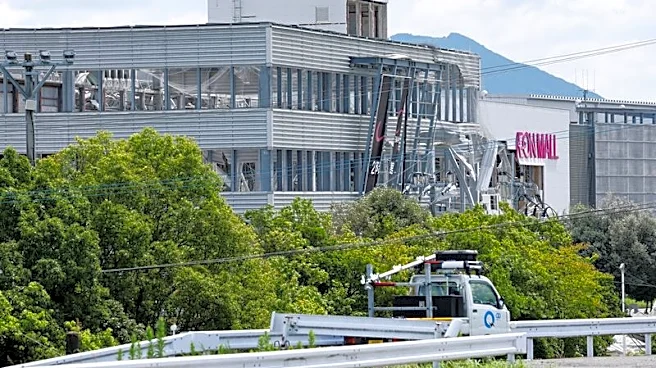
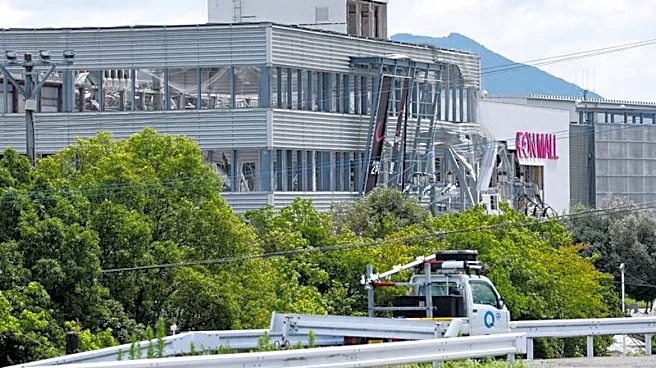

What's Happening?
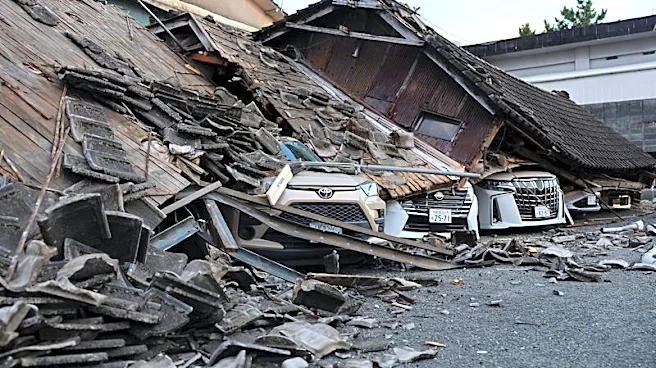
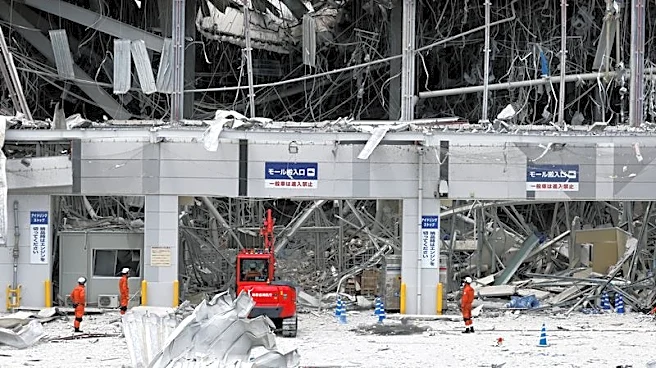
A 7.1-magnitude earthquake in southern Japan has disrupted operations at several car and semiconductor factories, including those of major companies like Toyota, Nissan, and Sony. The quake, which resulted in 34 fatalities, has halted production at key
facilities in Kumamoto, a hub for semiconductor manufacturing. Companies like Renesas and Tokyo Electron are working to resume operations, with some plants expected to restart in phases from August 5. The earthquake's impact is being closely monitored as it tests the resilience of supply chains that have been strengthened since a similar disaster in 2016.
Why It's Important?
The earthquake's disruption of auto and semiconductor production in Japan highlights the vulnerability of global supply chains to natural disasters. As Kumamoto is a significant center for semiconductor manufacturing, the quake could have far-reaching effects on industries reliant on these components, including electronics and automotive sectors. The incident underscores the importance of robust disaster preparedness and supply chain diversification, especially in regions prone to natural calamities. The ability of companies to quickly recover and resume operations will be crucial in minimizing economic impacts and maintaining supply chain stability.
What's Next?
Manufacturers in the affected region are prioritizing safety and quality checks before resuming full operations. Companies like Toyota and Nissan have temporarily suspended production at several plants, with plans to restart by August 5. The situation is being closely monitored by industry analysts and government officials, as the earthquake's impact on the semiconductor supply chain could exacerbate existing global shortages. The response to this disaster will likely influence future strategies for disaster preparedness and supply chain management in Japan and beyond.