
What's Happening?
The July full moon, known as the Buck Moon, is set to peak on July 29, 2026, at 10:36 a.m. ET. This celestial event will coincide with the Perseid meteor shower, which is active from July 17 to August
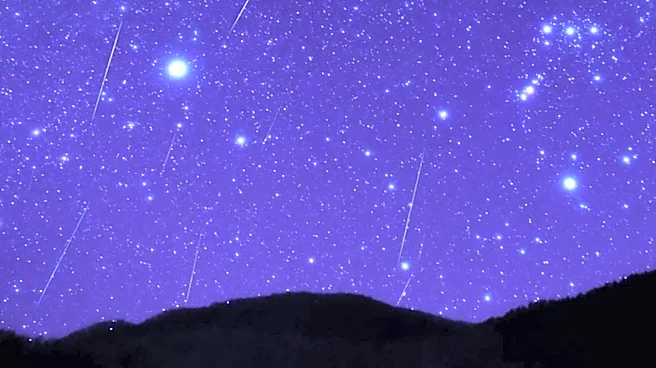
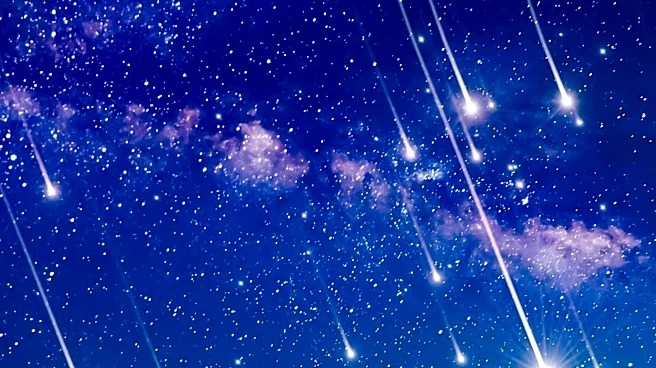
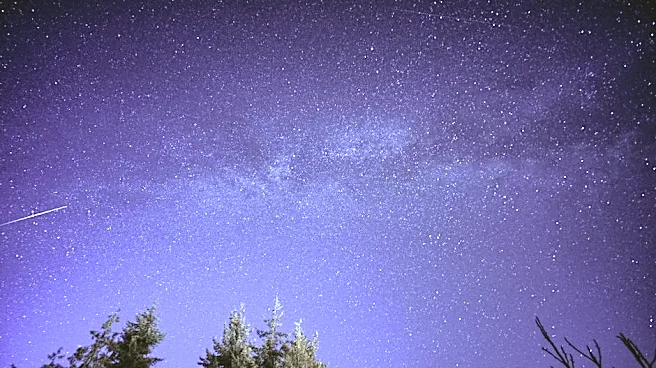
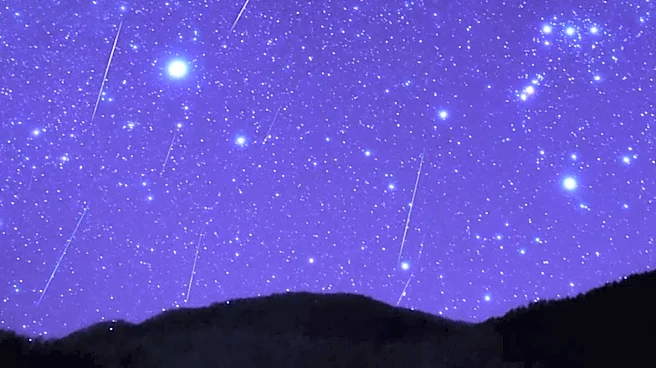
24, peaking around August 12 or 13. The Buck Moon will appear full to the naked eye for a few days, from July 29 through July 31. The Perseid meteor shower, known for its bright meteors and occasional fireballs, is considered one of the best meteor showers of the year. Stargazers in Florida and other parts of the Northern Hemisphere can expect to see between 30 to 50 meteors per hour during its peak.
Why It's Important?
The convergence of the Buck Moon and the Perseid meteor shower offers a unique opportunity for stargazers and astronomy enthusiasts to witness two significant celestial events simultaneously. This alignment enhances public interest in astronomy and provides educational opportunities about lunar phases and meteor showers. The events also have cultural significance, as the Buck Moon is named for the time when male deer grow their antlers. Such events can boost local tourism, as people travel to areas with minimal light pollution to experience the spectacle.
What's Next?
As the Perseid meteor shower continues through August 24, 2026, enthusiasts will have multiple opportunities to observe the meteors, especially during the peak nights of August 12 and 13. The next full moon, known as the Sturgeon Moon, will occur on August 28, 2026. These events encourage ongoing public engagement with astronomy and may lead to increased participation in related activities and events.