




What's Happening?
A developer successfully used artificial intelligence (AI) to revive a sleep monitoring device from a company that ceased operations a decade ago, despite having received over $40 million in investments. The project involved reflashing the devices, utilizing
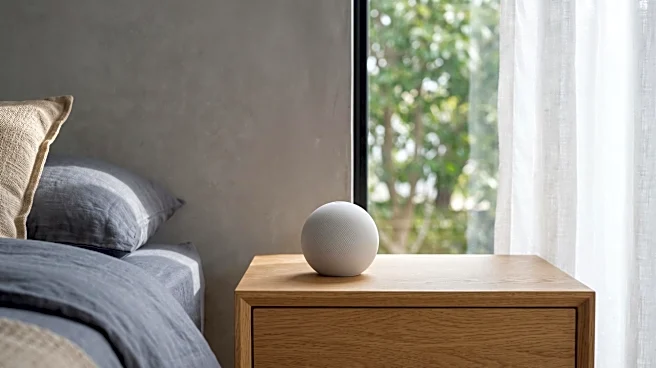
publicly available repositories on GitHub, and rebuilding most of the software stack to run locally on a Mac with full feature parity. The AI, specifically Claude, played a crucial role in analyzing codebases, making necessary changes, and even navigating complex hardware challenges such as breaking encryption and flashing firmware. This endeavor brought a 'Hello Sense' sleep system, which tracks variables like temperature, humidity, brightness, air quality, noise level, and movement, back to full functionality for personal use after its original servers were shut down in 2017.
Why It's Important?
This project highlights the transformative potential of AI in repurposing and extending the lifespan of 'dead' technology, a significant development for the U.S. tech industry and consumers. The ability to revive defunct hardware, especially devices that relied on cloud services that are no longer available, offers a pathway to combat electronic waste and unlock value from previously obsolete gadgets. For consumers, it suggests a future where the longevity of smart devices might not be solely dependent on the original manufacturer's continued operation or subscription models. For businesses, it underscores the importance of open-sourcing software and hardware specifications, as it can foster community-driven innovation and product resilience. This also demonstrates AI's growing capability to assist in complex engineering tasks, potentially reducing development time and costs in various sectors.
What's Next?
The success of this project could inspire more efforts to revive and customize older smart devices, potentially leading to a 'retro-tech' movement powered by AI. Developers and hobbyists might increasingly leverage AI tools to reverse-engineer and adapt hardware and software for personal use or to create new, independent ecosystems for devices. This could also prompt manufacturers to consider open-source strategies for their products, ensuring a longer functional life and fostering customer loyalty. Furthermore, the demonstrated capability of AI in handling intricate hardware and software challenges suggests its increasing role in product development, maintenance, and even cybersecurity, as AI can be used to understand and bypass complex encryption mechanisms, albeit in this case for a benevolent purpose. The project's details are available on GitHub, potentially serving as a blueprint for similar initiatives.
Beyond the Headlines
Beyond the immediate technical achievement, this story touches on profound implications for consumer rights, product ownership, and the future of technology. In an era where many smart devices become obsolete when their supporting cloud services are discontinued, this project champions the idea of true ownership—the right to repair, modify, and continue using purchased products independently. It challenges the prevailing 'subscription economy' model, where functionality is often tied to ongoing payments and manufacturer support. Ethically, it raises questions about the balance between intellectual property rights and the public's ability to extend the utility of their possessions. This AI-driven revival could pave the way for a more sustainable tech ecosystem, where devices are designed for longevity and adaptability, reducing waste and empowering users with greater control over their digital and physical assets.