

What's Happening?
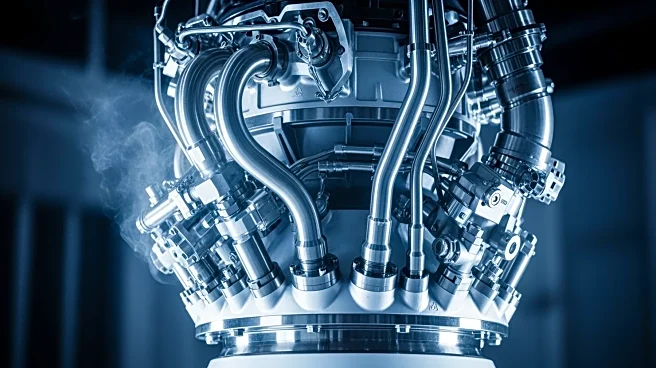
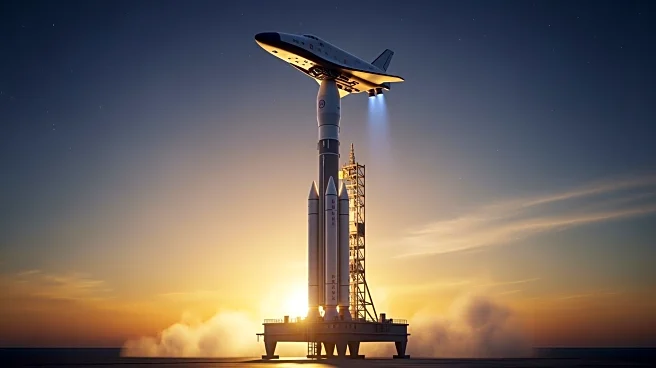
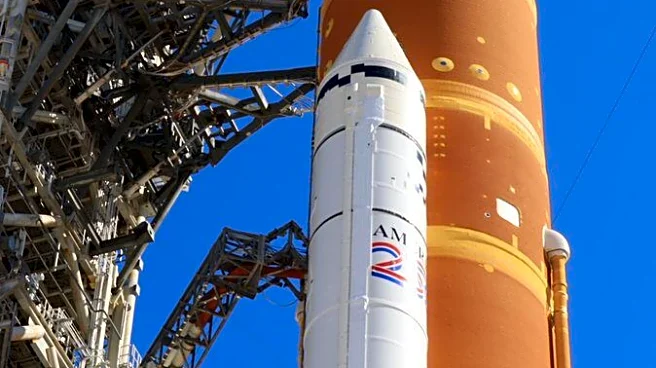
NASA's Artemis II moon mission, which aims to send astronauts on a lunar flyby, has been delayed due to a series of fueling issues. The Space Launch System (SLS) rocket, initially scheduled for launch in early 2026, has faced multiple setbacks, including
hydrogen and helium flow problems. These issues have necessitated the rollback of the rocket to its hangar for repairs, postponing the mission until at least April. The Artemis II mission is significant as it marks the first crewed lunar mission since the Apollo era, with astronauts Christina Koch, Victor Glover, Jeremy Hansen, and Reid Wiseman set to participate. The mission's delays have been compounded by previous technical challenges, including hydrogen leaks and helium pressurization issues, which cannot be resolved on the launchpad.
Why It's Important?
The delay of the Artemis II mission underscores the technical challenges and complexities involved in modern space exploration. This mission is a critical step in NASA's broader Artemis program, which aims to establish a sustainable human presence on the Moon and eventually pave the way for human exploration of Mars. The postponement affects not only NASA's timeline but also the international partners and industries involved in the mission. The delay could impact future mission schedules and funding allocations, as well as the strategic goals of the U.S. in maintaining leadership in space exploration. The successful execution of Artemis II is crucial for validating the technologies and systems that will be used in subsequent missions, including the planned Artemis III mission, which aims to land astronauts on the lunar surface.
What's Next?
NASA is working to resolve the technical issues with the SLS rocket, focusing on the helium flow problems that have necessitated the rollback. The agency has identified potential launch windows in early April, contingent on successful repairs and favorable weather conditions. The mission's astronauts will continue their training and preparations while awaiting the new launch date. NASA's ability to address these technical challenges will be closely watched by stakeholders, including international partners and commercial entities involved in the Artemis program. The resolution of these issues will be critical for maintaining the momentum of the Artemis program and ensuring the success of future missions.