

What's Happening?
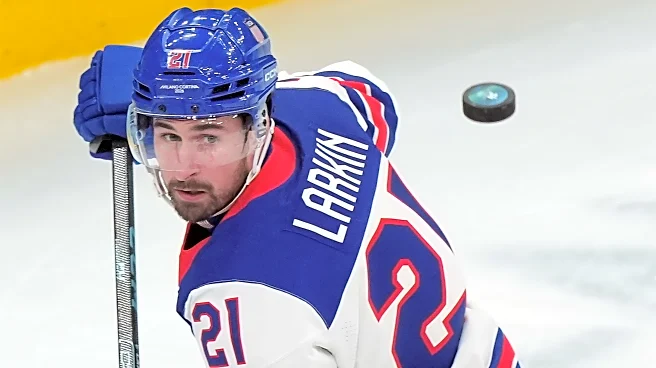
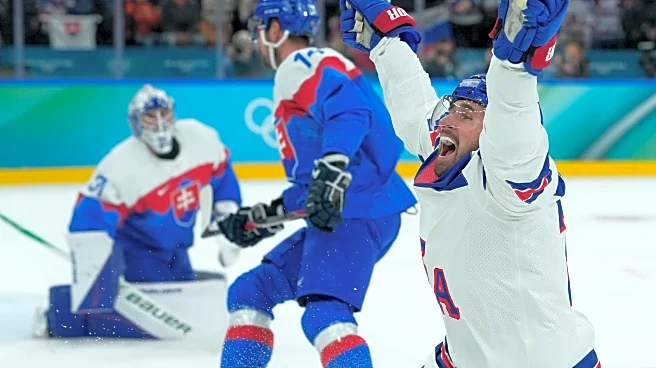
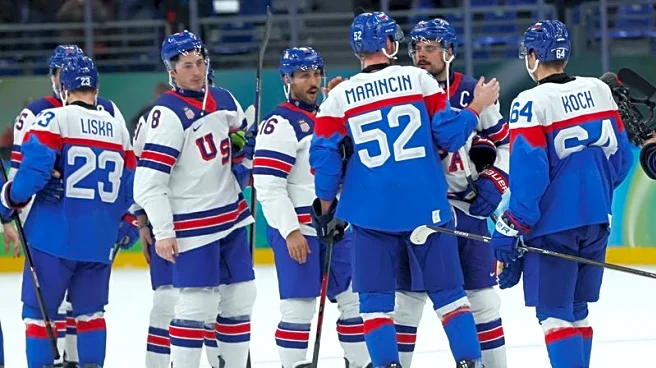
Governor Kathy Hochul has announced a temporary suspension of alcohol service hour restrictions, allowing bars and restaurants in New York State to open early for the U.S. men's hockey gold medal game against Canada at the 2026 Milan Cortina Olympics.
This decision permits establishments to serve alcohol from 6 a.m. to 10 a.m. on the day of the game, facilitating watch parties for fans. However, this relaxation does not apply to New York City or other areas under a state of emergency due to an impending nor'easter. Hochul emphasized the importance of community safety in these regions, which include NYC, Long Island, and the Hudson Valley, where severe weather conditions are expected.
Why It's Important?
The decision by Governor Hochul highlights the cultural significance of sports events in fostering community spirit and unity. By allowing early openings, the state acknowledges the enthusiasm and support for Team USA, providing fans an opportunity to gather and celebrate. However, the exclusion of NYC and other areas under emergency conditions underscores the balance between public safety and recreational activities. This move could impact local businesses positively in areas where the suspension is applicable, potentially boosting sales and customer engagement during the early hours. Conversely, businesses in excluded areas may face disappointment due to missed opportunities for increased patronage.
What's Next?
As the U.S. men's hockey team prepares to face Canada, fans in eligible areas will likely take advantage of the early openings to support their team. The outcome of the game could further influence public sentiment and engagement with the Olympics. In regions under the state of emergency, businesses and residents will need to prioritize safety and adhere to weather advisories. The state's response to the nor'easter will be crucial in managing public safety and minimizing disruptions. Future decisions on similar events may consider the balance between public enthusiasm and safety concerns, potentially influencing policy on event-related regulations.